How AI Is Changing the Hotel Industry in 2026
8 min read
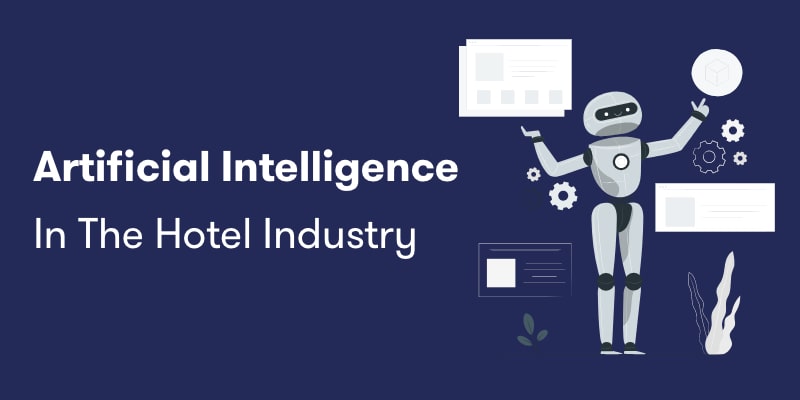
AI in the hotel industry is no longer a side project. Hotels now use artificial intelligence (AI) to answer guest messages, set room rates, plan housekeeping and read reviews. Most of it runs quietly inside apps and back-office systems.
This guide covers seven ways hotels use AI today, the main benefits and the risks to plan for. It ends with simple first steps for owners, managers and travel brands.
Key takeaways
- The quickest wins are guest chatbots, dynamic pricing and review analysis.
- AI works best when it handles routine tasks and staff keep the human moments.
- Clean data and clear privacy rules matter more than the model you pick.
- Start with one problem, test it at one property, then scale.
7 Ways Hotels Use AI Today
Here are the uses we see most often, from guest-facing tools to the work behind the front desk.
1. AI Chatbots and Guest Messaging
A chatbot can answer the same questions your front desk hears all day. Think Wi-Fi codes, breakfast hours, parking and late checkout. It works 24/7 on your website, your app or a messaging channel like WhatsApp.
Good bots also take bookings and pass hard requests to a person. That handover is what keeps guests happy. See how we build these in our AI chatbot development work.
2. Smart Rooms and Energy Control
In a smart room, guests set the lights, temperature and TV by voice or from their phone. The room can remember these choices for the next stay. Sensors also notice when a room is empty and turn down heating or cooling, which cuts energy use.
3. Predictive Maintenance and Housekeeping
Sensors on air conditioners, boilers and lifts can warn your team before a part fails. That means fewer broken rooms and fewer angry guests. AI can also plan housekeeping around real checkout times, so the rooms guests need first are ready first.
4. Dynamic Pricing and Revenue Management
Revenue tools look at demand, local events, booking pace and competitor rates. They then suggest a price for each room type and date. Your revenue manager still sets the floor and ceiling, so the system never goes too far.
5. Personalized Marketing and Direct Bookings
Every booking through an online travel agency costs you a commission. AI helps win more direct bookings by sending the right offer to the right guest at the right time.
For example, a guest who booked a family room might get a kids’ club offer before arrival. A business guest might see a late-checkout upsell instead. These offers work best inside a branded hotel app, which our travel app development team builds for iOS and Android.
6. Review and Feedback Analysis
AI can read thousands of reviews and surveys in minutes and group them by topic and mood. Dorchester Collection used a tool called Metis for this. It found that guests wrote more about breakfast than dinner, which changed where the team focused.
The lesson from that case is simple. The data shows you where a problem is. Your people still have to work out why and fix it.
7. Robots, Kiosks and Contactless Check-In
In 2016, Hilton tested a small robot concierge called Connie at the Hilton McLean in Virginia. It used IBM Watson to answer questions about the hotel and local sights. Today the more common tools are delivery robots, self check-in kiosks and digital room keys in the hotel app.
These tools save time on simple tasks. They should support your staff, not replace them. Our AI development services team can help you pick the right mix.
Benefits of AI in the Hotel Industry
Used well, AI pays off in a few clear ways. Most hotels see the gains in guest service and staff time first, then in revenue. Here are the main AI-powered strategies and what they deliver:
- Faster answers: guests get replies in seconds, day or night.
- More time for people: staff spend less time on repeat questions and more on guests.
- Better rates: prices follow real demand instead of a fixed rate sheet.
- Fewer surprises: maintenance issues get fixed before guests notice them.
- Clearer insight: reviews and surveys turn into a short list of things to fix.
- More direct bookings: personal offers in your own app reduce reliance on travel agencies.
Risks and Limits to Plan For
AI is not magic, and a bad rollout can hurt guest trust. Plan for these limits before you sign a contract or start a build:
- Data quality: AI is only as good as your data. If your guest records are messy or out of date, its advice will be wrong too.
- Privacy: guest data falls under laws like GDPR in Europe and state privacy laws in the US. Collect only what you need and say how you use it.
- Disclosure: under the EU AI Act, guests must be told when they are chatting with an AI system. That rule has applied since August 2026.
- Guest trust: many guests are happy to use a bot for simple tasks. For complaints or special requests, they want a person.
- Integration: a tool that can’t talk to your property management system creates more manual work, not less.
How to Start with AI in Your Hotel
- Pick one problem. Choose a clear pain point, such as slow replies or empty midweek rooms.
- Check your data. Make sure the data that problem needs is clean and easy to reach.
- Test at one property. Run a short pilot and measure response time, revenue or guest scores.
- Keep a human in the loop. Let staff review AI decisions and take over when needed.
- Scale what works. Roll out to more hotels only after the pilot proves its value.
Not sure whether to buy a tool or build your own? Our guide on how to build AI software walks through that choice.
Building AI for Your Hotel? How EchoInnovate IT Helps
We build AI tools for hotels and travel brands. That includes guest chatbots, branded booking apps, pricing dashboards and review analysis that plug into your current systems. Our team of 50+ people has shipped 500+ products in 12+ years.
The first step is a short scoping call. We look at your goals and data, then give you a fixed quote. Explore our AI development services and AI chatbot development, or hire a dedicated team for a longer build.
Frequently Asked Questions
How is AI used in hotels?
Hotels use AI for guest chatbots, dynamic room pricing, housekeeping plans and review analysis. Some also use smart rooms, delivery robots and self check-in kiosks. Most of these tools run inside the hotel’s app, website or back-office systems. Staff still handle complaints, special requests and the personal moments guests remember.
What are the main benefits of AI for hotels?
The biggest gains are faster guest replies, more staff time for real service, and room rates that follow demand. AI also spots maintenance issues early and turns reviews into a clear to-do list. Personal offers in your own app can win more direct bookings and lower travel agency commissions.
Will AI replace hotel staff?
No. AI is best at simple, repeat tasks like answering common questions or sorting reviews. Guests still want a person for complaints, special requests and anything personal. The hotels that do well use AI to free staff time, so the team can spend more of their day with guests.
What are the risks of using AI in a hotel?
The main risks are poor data, privacy mistakes and losing guest trust. Messy guest records lead to wrong advice. Guest data falls under laws like GDPR, and the EU AI Act requires telling guests when they chat with AI. A tool that doesn’t connect to your property system can also add work.
How much does it cost to build an AI tool for a hotel?
It depends on scope. A chatbot for common questions sits in the entry tier. A branded booking app with AI offers sits in the mid tier. A custom pricing or data platform across many hotels is upper tier. We give a fixed quote after a short scoping call.
Travel apps that survive seasonality and scale.
Booking engines, hotel and guest apps, GDS integrations (Amadeus, Sabre, Travelport), loyalty programs, multi-currency pricing and AI trip planners. Travel has thin margins and big traffic spikes, so we build for both. Tell us your niche and we’ll plan the build with you.