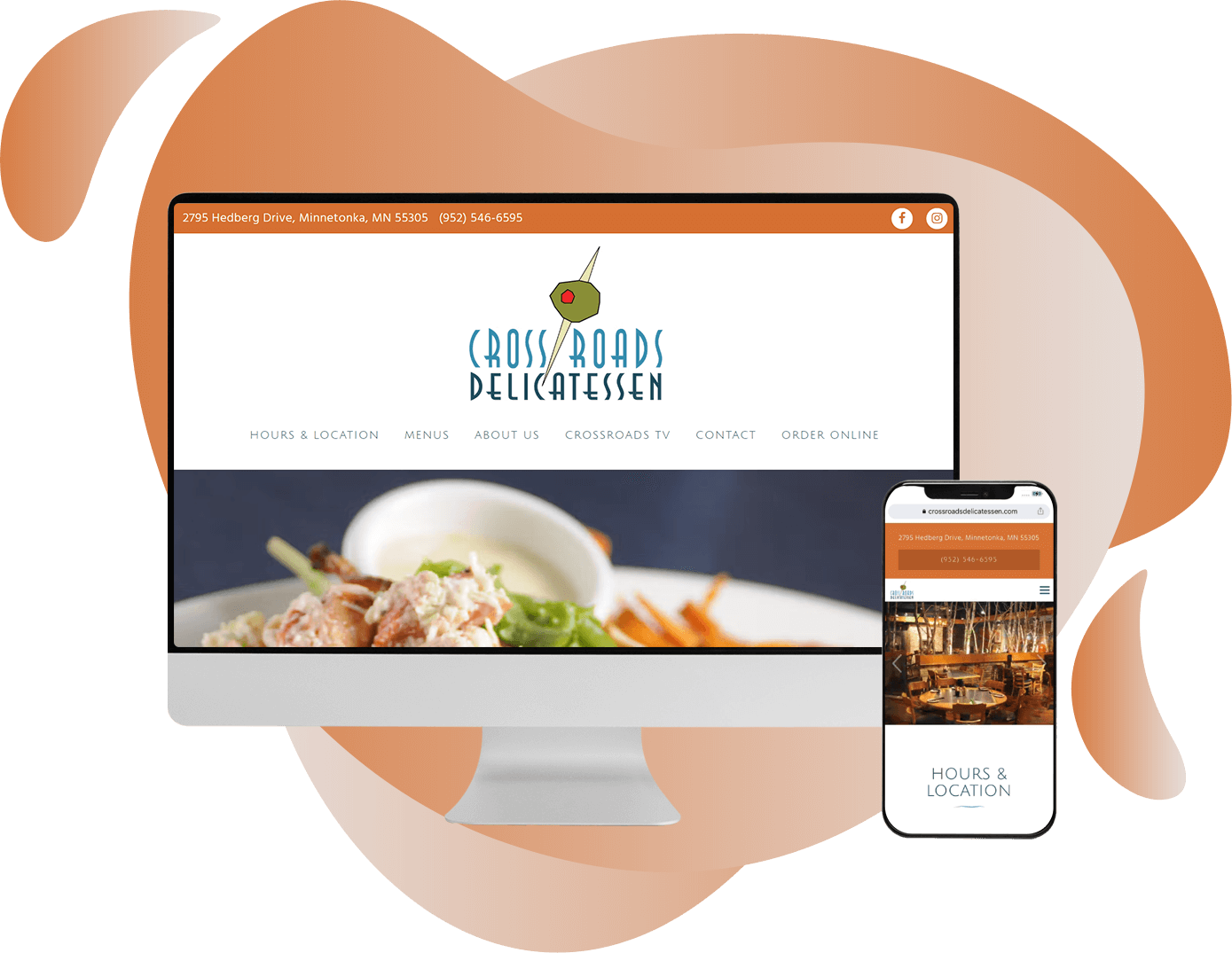
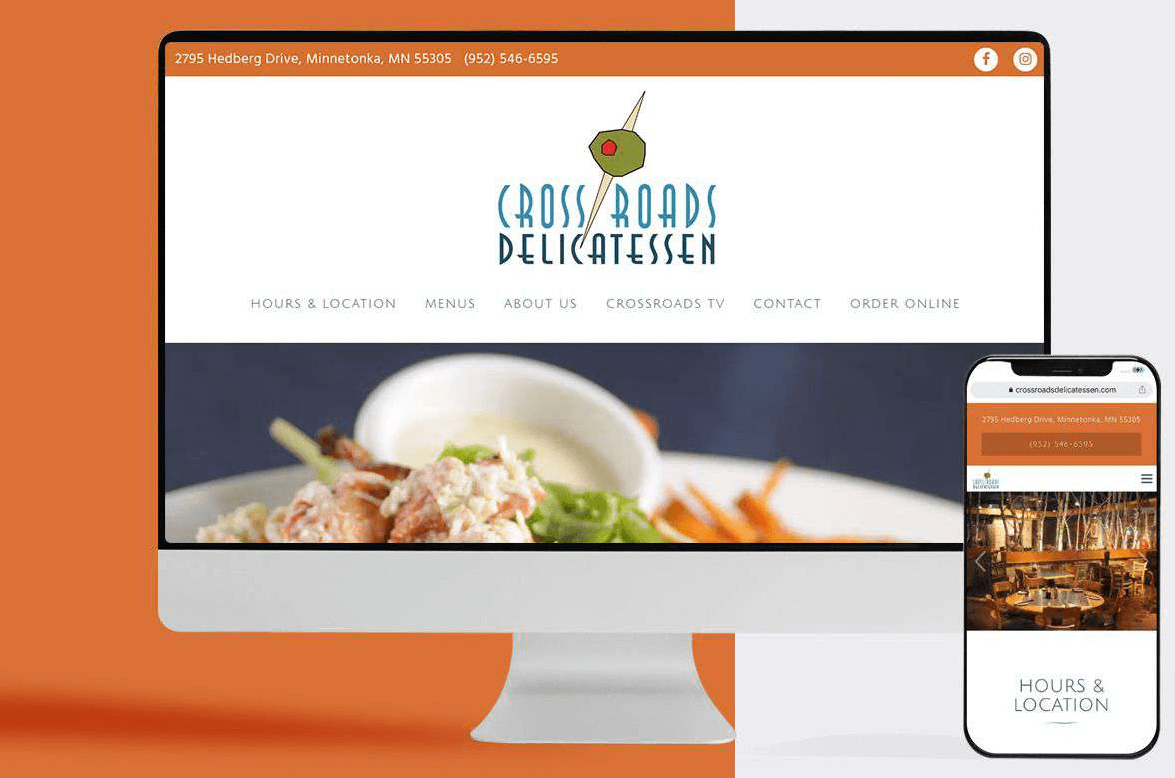
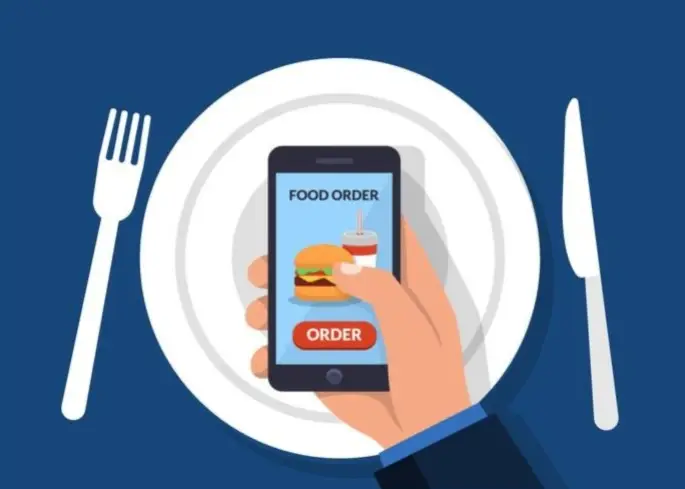
Ordering food online at Crossroads Delicatessen is simple and easy. Follow these simple steps to order food online:
- Firstly, go to the website and click the “order online” section.
- Share your mobile number and address details to track order status conveniently.
- Select the dishes you want to order and add them to your cart. You can customize your order according to your preferences. Finally, make the payment using one of the various payment options available and confirm your order.
- You will receive a confirmation message with an estimated delivery time. You can also track your order in real-time, and once it arrives, you can enjoy your delicious food from the comfort of your home.
What a restaurant website with online ordering needs. A local restaurant site has to answer three questions fast: what is on the menu, when is it open and how do I order. Guests often decide within seconds, usually on a phone.
Online ordering adds a second job. The site becomes part of the kitchen workflow, so orders must reach staff clearly and at the right time.
Catering and private events bring a third audience. Planners need group menus, minimum order notes and a simple way to send an enquiry.
Features a deli or restaurant site usually includes:
- Menu with photos and dietary tags so guests can spot vegetarian, gluten-free or spicy dishes at a glance.
- Pickup and delivery ordering with time slots that match kitchen capacity.
- Item modifiers for sizes, sides, add-ons and special requests.
- Table booking with confirmation and reminder messages.
- Catering request form that captures date, headcount and menu choices.
- Opening hours and holiday notices managed by staff and shown on every page.
- Location map and parking details for first-time visitors.
- Order status updates by SMS or email from confirmation to collection or delivery.
- Gift cards and loyalty sign-up to bring regulars back.
Build considerations on WordPress. WordPress lets the restaurant team edit menus, prices and specials themselves. A structured menu setup, rather than a long text page, keeps items consistent across the menu and the ordering flow.
Ordering can run through a WordPress plugin or a connected ordering service. The choice depends on delivery coverage, kitchen printer or tablet support and how payouts are handled.
Fast mobile pages matter for hungry visitors. Compress food photos, avoid heavy sliders and keep the order button visible as people scroll.
Payment and personal data need protection. Use a trusted payment gateway, keep the site on HTTPS and update PHP, plugins and the theme on a schedule.
Local search is a big traffic source for restaurants. Consistent name, address and phone details, plus structured data for the menu and opening hours, help the site show up for nearby searches.
What to plan before you start. Gather the full menu with modifiers, prices and photos before design begins. Decide pickup and delivery rules, including zones, minimum orders and busy-hour limits.
Launch with the essentials: menu, ordering, booking and contact details. A loyalty scheme, a mobile app or multi-location support can come later.
Restaurant sites fall into a low, middle or higher spend level. The ordering setup, point-of-sale links and custom design work decide where yours sits. After launch, keep menus current and test the order flow every week.
Making the menu easy to read. Online menus work best when they mirror how guests think: breakfast, lunch, sides, drinks and desserts. Short descriptions that name the main ingredients beat long paragraphs.
Good food photography sells dishes, but only if it loads fast. Use one strong image per item and keep the same lighting and angle across the menu.
Mark allergens clearly and add a note on how to ask about them. That protects guests and saves staff from repeat phone calls.
Fitting online orders into the kitchen. A busy lunch rush can bury a kitchen in tickets. Order throttling, prep-time settings and the option to pause ordering keep the online channel from overwhelming staff.
Orders should arrive in a format the team already uses, such as a printer ticket or a kitchen tablet. Staff training on the first day avoids missed or late orders.
Delivery adds its own rules. Set delivery zones, fees and minimum order values that match the drivers or partners the restaurant works with.
Reaching nearby diners. A complete business profile on map services, with photos, hours and a direct ordering link, brings in local guests. Encourage happy customers to leave reviews there.
Email and SMS lists are useful for daily specials, seasonal menus and catering reminders before holidays. Keep messages short and send them only when there is something worth sharing.
Track which dishes sell best online and which pages people visit before ordering. Those insights help adjust the menu layout and promotions over time.
Running more than one service from one site. Many delis handle dine-in, takeout, delivery and catering at once. Separate entry points for each, all fed from one shared menu, keep things clear for guests and simple for staff.
Catering orders usually need more notice and larger portions. Lead-time rules and party-size menus stop last-minute requests the kitchen cannot fulfil.
Table booking should respect real seating limits and busy hours. A short confirmation with the date, time and party size cuts down on no-shows.
Keeping the site accurate day to day. Nothing frustrates a guest more than ordering a dish that has run out. Give staff a quick way to mark items unavailable from a phone during service.
Holiday hours, special closures and seasonal dishes should be updated a few days ahead. A simple weekly checklist helps the team remember.
Seasonal items deserve their own spot on the home page. A small “this week” panel for soups, bakes or holiday platters gives regulars a reason to check back.
Keep the phone number tappable on mobile for guests who still prefer to call in an order.
Planning online ordering for your restaurant? EchoInnovate IT builds ordering websites and apps for food businesses, backed by 12+ years and 500+ products. See our on-demand app development and WordPress development services.
Share your menu and service style with us on a short call, and we will reply with a fixed quote for that scope.