
About Us
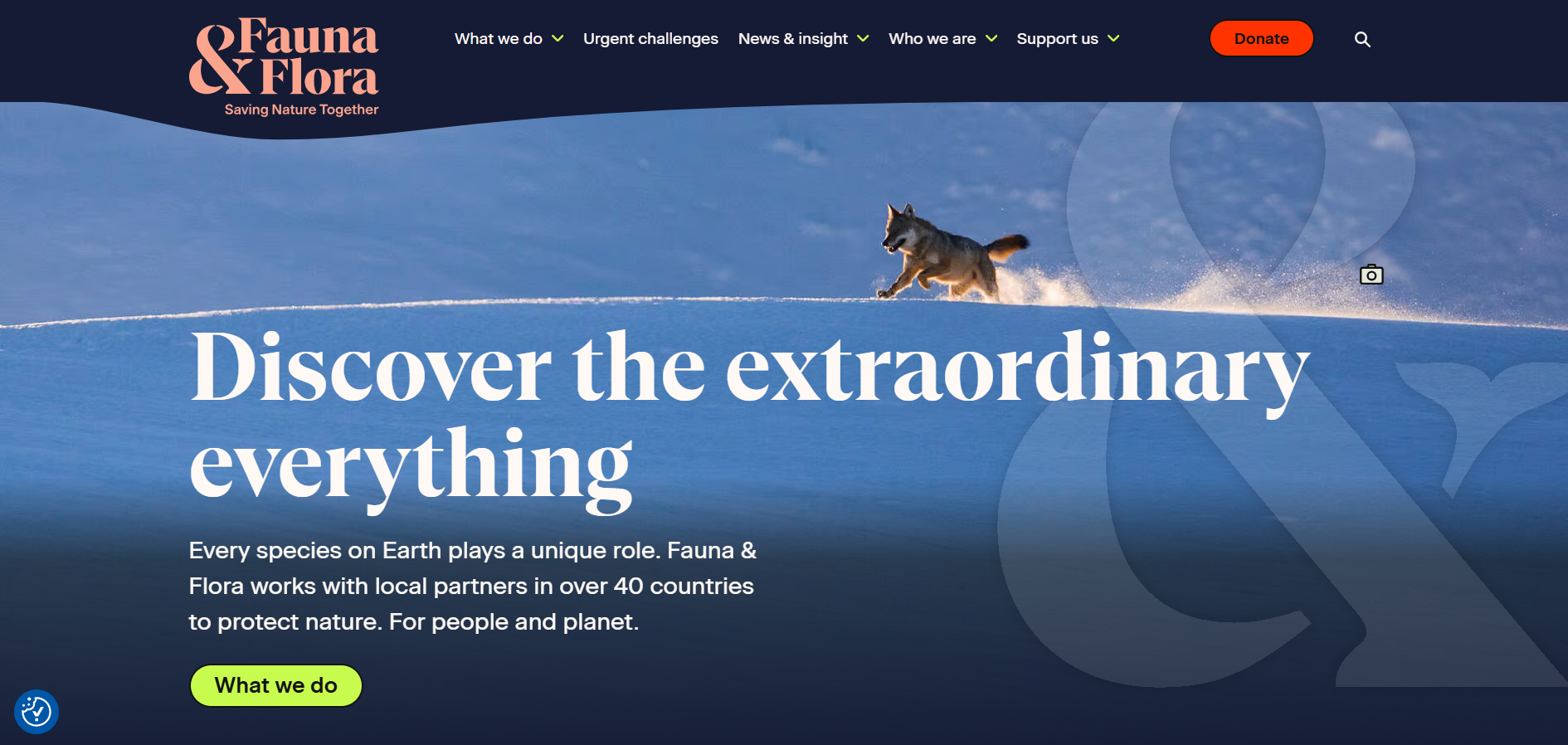
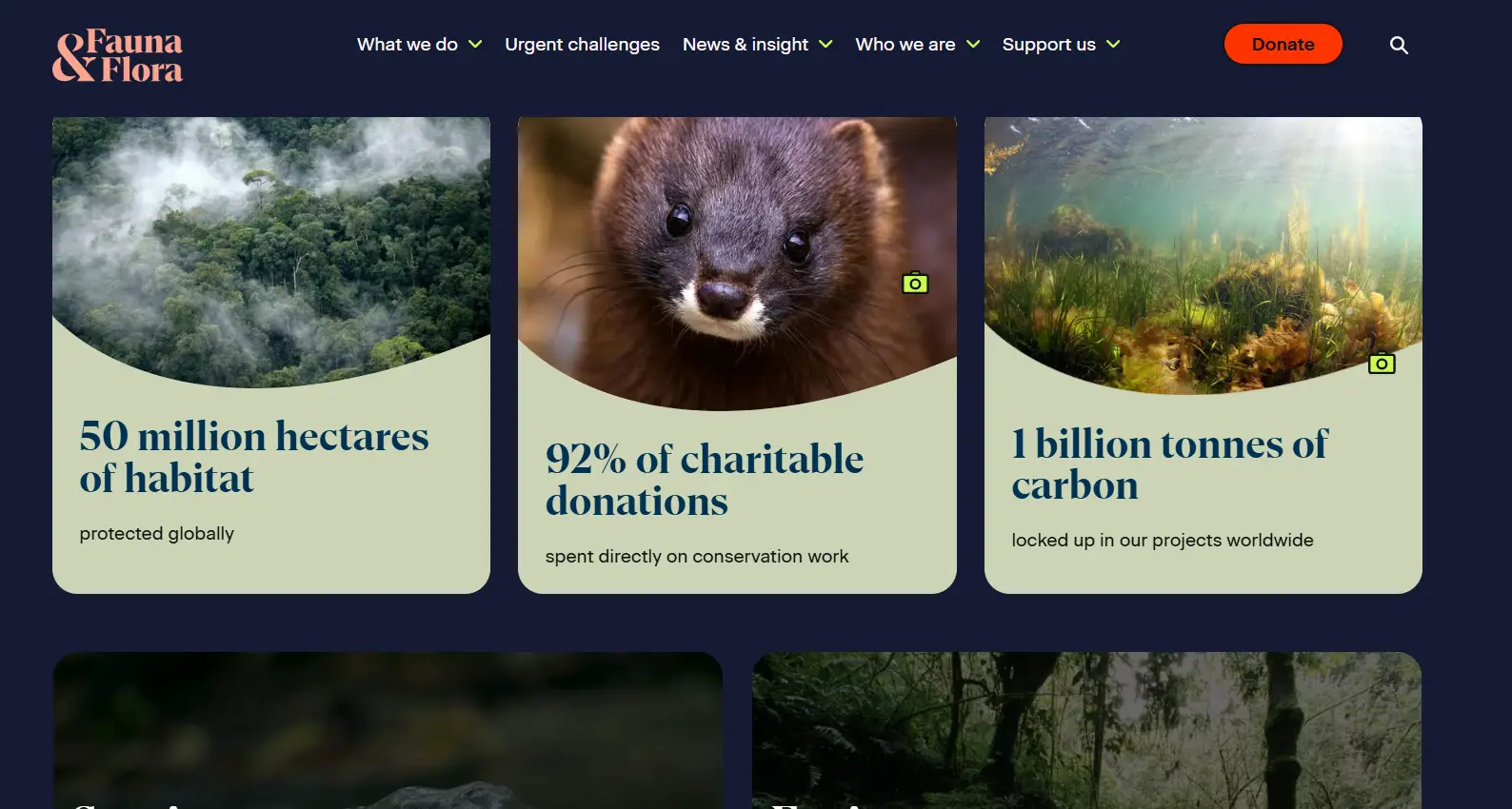
Fauna & Flora International (FFI) is the oldest global organization dedicated to protecting wildlife, established over a hundred years ago in 1903. It has been a significant influencer in conservation practices. It has been working to safeguard biodiversity and the variety of life on Earth.
Biodiversity is crucial for healthy ecosystems and supports the lives of all species, including humans. FFI’s efforts aim to protect the natural world’s life-supporting systems and ensure the continuity of its diverse and beautiful living creatures.
The organization fosters a work culture where all employees are appreciated and given equal opportunities. Its varied and inviting workplace celebrates diversity by emphasizing employees’ various cultures and ethnicities.
Employees from all over the world are working directly with our partners to adopt environmentally friendly strategies. FFI has a committed team in the United States and Australia that is accessible to support the organization’s goal and objectives worldwide and collaborate to rescue the planet.
What conservation charities need from a website. A nonprofit site in this sector has several jobs at once. It explains the mission to newcomers, reports field work to supporters and gives partners somewhere to find documents.
Visitors arrive with very different goals. A donor wants a quick way to give, a journalist wants a press contact, and a student wants background on a species or a habitat.
So the structure matters more than decoration. Clear sections for programmes, regions and ways to help let each group reach its answer in a couple of clicks.
Features a nonprofit website like this usually includes:
- Programme and project pages that describe each initiative, where it runs and who it works with.
- Interactive or filterable maps so readers can browse work by country or ecosystem.
- Donation flows with one-off and recurring options and a clear thank-you step.
- News and stories written by field staff, with photos and tags for themes like climate or species.
- Publications library for reports, policy papers and annual reviews, searchable by year and topic.
- Careers and volunteering listings that the HR team can update without a developer.
- Newsletter sign-up linked to the email tool the organisation already uses.
- Partner and supporter recognition pages that thank funders without cluttering the main journey.
Build considerations for a WordPress nonprofit site. WordPress suits charities because communications teams can publish stories and reports on their own. Custom post types for projects, regions and publications keep the content tidy and easy to filter.
PHP and MySQL sit underneath, so hosting is widely available and affordable to run. Keep plugins to a short, well-maintained list; every extra plugin is one more thing to patch.
Image-heavy pages need care. Wildlife photography looks best large, so compress files, serve modern formats and lazy-load anything below the fold.
Accessibility deserves early attention. Good colour contrast, alt text on every photo and keyboard-friendly menus help more people read the work and support it.
Security basics apply to every charity site: regular core and plugin updates, strong admin logins, daily backups and a firewall in front of the donation pages.
Integrations are worth listing up front. A CRM for supporters, a payment gateway for gifts and an email platform for appeals each shape how forms and data flow.
What to plan before the project starts. Begin with an audit of existing pages and decide what to keep, merge or retire. Old campaign pages often hold links that should be redirected rather than deleted.
Agree a first release that covers the core journeys: learn, donate, read news and get in touch. Extra features like a members area or multilingual pages can follow in later phases.
Charity budgets tend to come in three bands: entry, mid and upper. Where a project lands depends on custom design, how many content types it has and which integrations it needs. Timelines hinge on content readiness and how quickly trustees and managers can sign off.
After launch, plan for steady maintenance. Updates, uptime checks and small content-model tweaks keep the site healthy as programmes change.
Telling field stories well. Conservation work happens far from the office, so the website is often the only window supporters have into it. Short updates from the field, with a photo and a few lines from the person on site, make that work feel close and real.
Give each story clear tags for region, species and theme. Readers can then follow the topics they care about, and related stories can appear at the end of each article.
Long reports still have a place. Pair each one with a short web summary, so people who never open the PDF still learn the main points.
Supporting a global audience. An international charity speaks to people in many countries. Plain English helps readers who use it as a second language, and simple layouts translate more easily if other languages are added later.
Think about currencies and payment methods on donation forms. Showing a familiar option can make the difference between a gift and an abandoned form.
Regional offices may want their own pages or contact details. A shared template keeps them consistent while letting each team add local news.
Measuring whether the site works. Set a few simple goals before launch, such as donation completions, newsletter sign-ups and report downloads. Track them from day one so later changes can be judged against a clear baseline.
Review search queries and popular pages every quarter. They show which programmes people look for most and where content is missing.
Making it easy for partners and press. Governments, community groups and funders often visit for a specific document or contact. A partners page with downloadable briefs, logos and a named contact saves them hunting through menus.
A media room with recent statements, image credits and spokesperson details helps journalists cover the work accurately. Keep it updated after each major announcement.
Grant-makers may also look for governance pages, such as trustees, policies and annual accounts. Placing these in one clear section shows openness and builds confidence.
Planning a site for a charity or foundation? EchoInnovate IT has 12+ years of experience building websites for organisations with a mission to explain. See our WordPress development services or our wider web development work.
We like to open with a brief call to agree scope, and then you get a fixed quote you can take to your board.