
Results
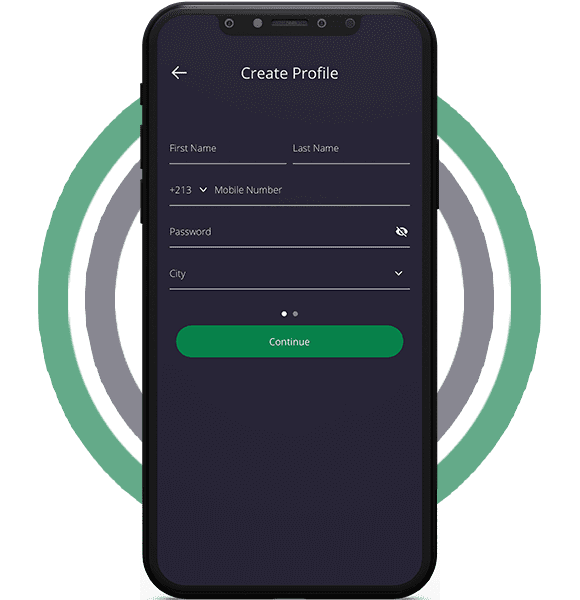
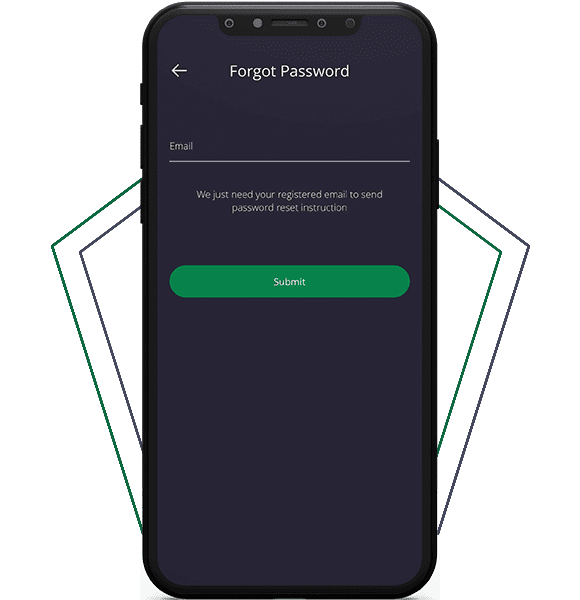
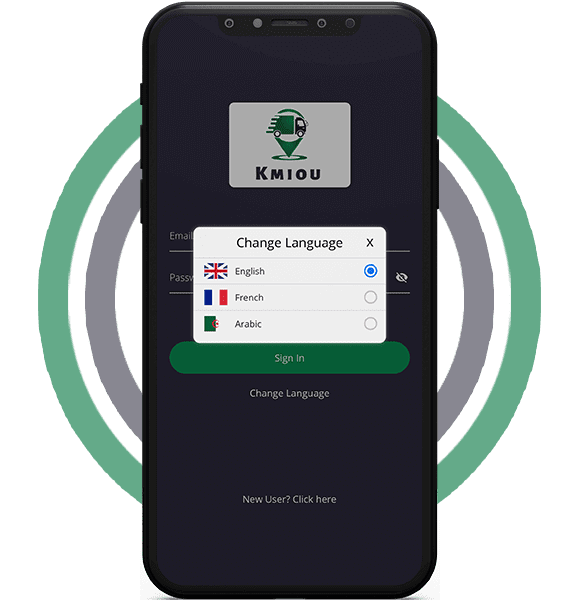
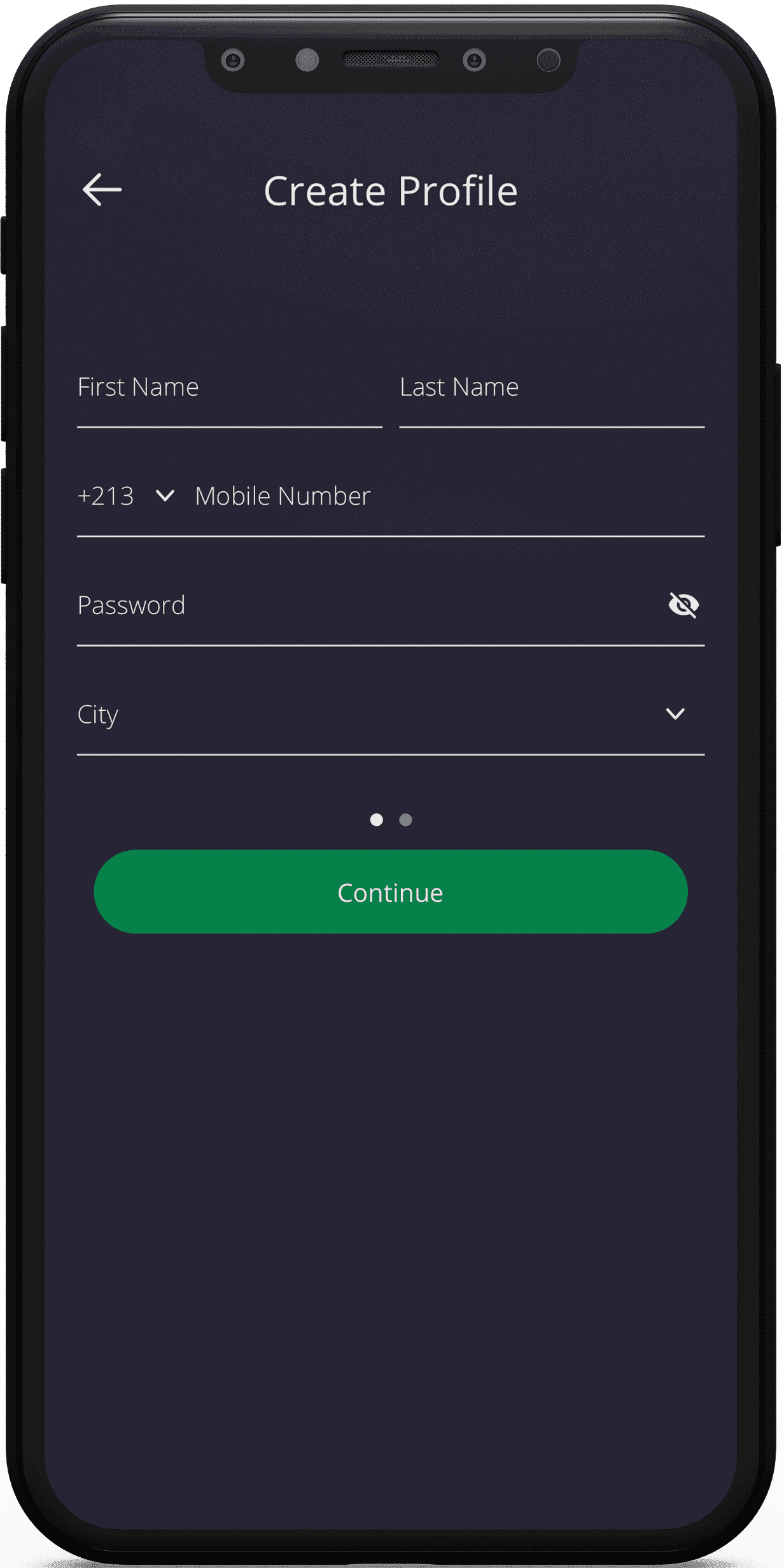
App users and service providers currently utilise the app to fulfil their needs for logistics and delivery of products.
A newer version that will enable customers to book a later work service will be available soon. We are honored to continue to be a member of Kmiou.
Why freight and fleet businesses move to apps
Freight work still runs on phone calls, spreadsheets and paper delivery notes in many firms. A connected app replaces that back-and-forth with one shared record that shippers, drivers and dispatchers all see.
The payoff is fewer missed pickups and fewer “where is my load?” calls. It also gives managers data on routes, idle time and late deliveries that was hard to collect before.
Features a logistics platform usually needs
- Separate apps or roles for shippers, drivers and admins, each showing only the screens that person needs.
- Booking with pickup and drop-off points, cargo type, weight and preferred time windows.
- Instant fare estimates based on distance and load, so customers can decide before they confirm.
- Live GPS tracking on a map, with status updates such as assigned, loaded, in transit and delivered.
- Proof of delivery through photos, signatures or a one-time code shared with the receiver.
- In-app payments and invoices, plus a history of past jobs for both customers and drivers.
- A dispatch dashboard to assign trucks, see availability and reroute jobs when plans change.
- Push and SMS alerts for key events, so nobody has to keep the app open to stay informed.
- Document storage for licences, insurance and vehicle papers, with reminders before they expire.
Build considerations for fleet and delivery software
Driver apps run all day on mid-range Android phones, often with patchy signal. They need careful battery use, offline queues for status updates and large buttons that work with gloves or in a moving cab.
Location data arrives constantly, so the backend should batch GPS points and store them efficiently. Map, routing and distance services each have usage limits, which shape both design and running costs.
Larger shippers often want their own systems connected. Clean APIs for bookings, status and invoices make it easier to plug into transport or warehouse software without manual exports.
Security covers more than logins. Role-based access, audit logs on price and status changes, and encrypted payment handling protect both the platform and its customers.
Testing should mirror the road. Simulated routes, dropped connections and phones switching between Wi-Fi and mobile data reveal tracking gaps long before a real shipment goes missing.
The admin panel is where the business runs
Customers see a booking screen, but staff live in the admin panel. Editing rates, approving drivers, fixing a wrong address or cancelling a job should take a few clicks, not a developer.
Reports on completed trips, delays and payments help managers spot problems early. Simple exports to spreadsheets are often enough at the start.
Getting drivers to actually use it
A fleet app only works if drivers update it. Keep the job screen to the next stop, one main action button and a clear way to call dispatch.
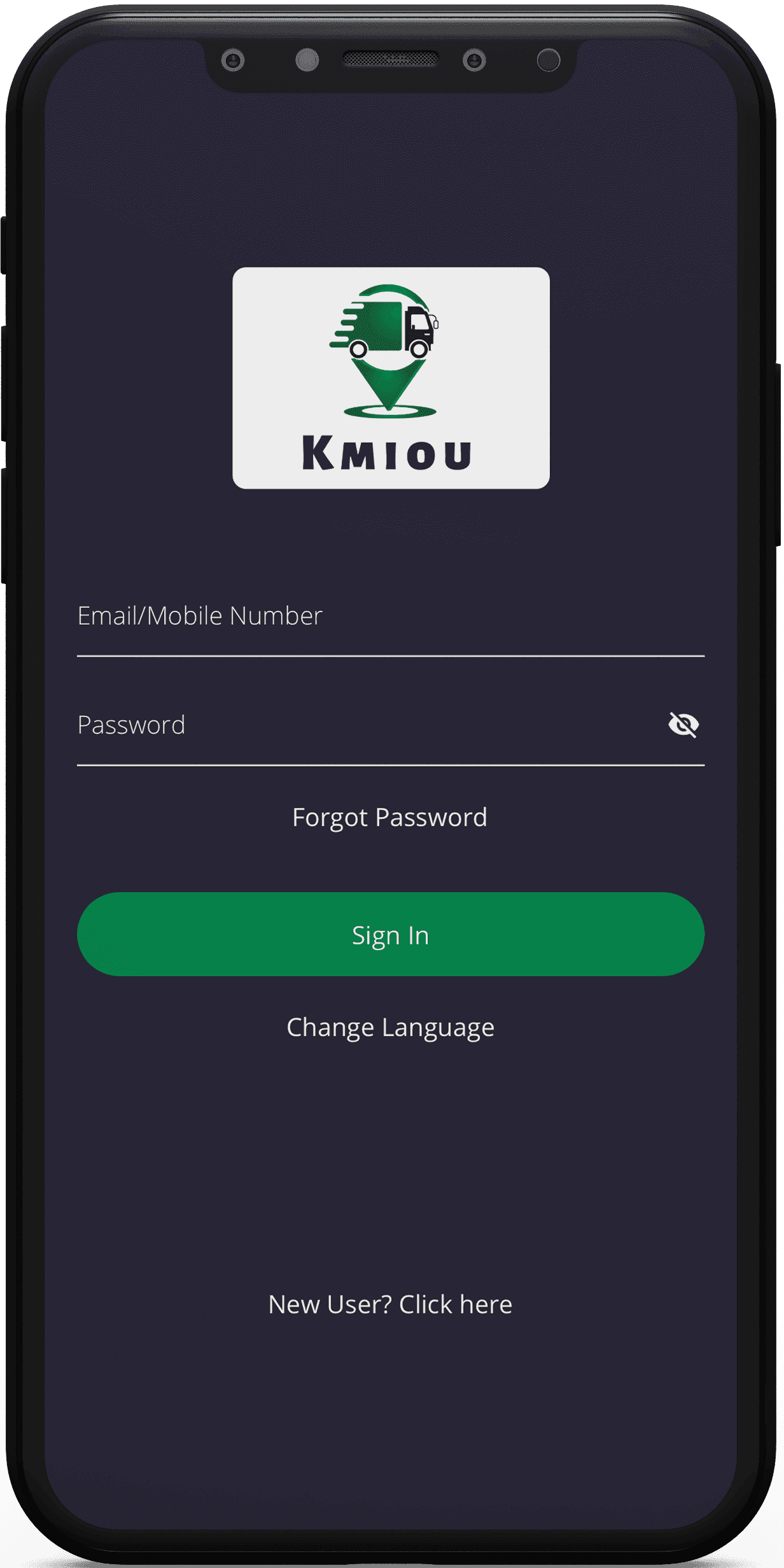
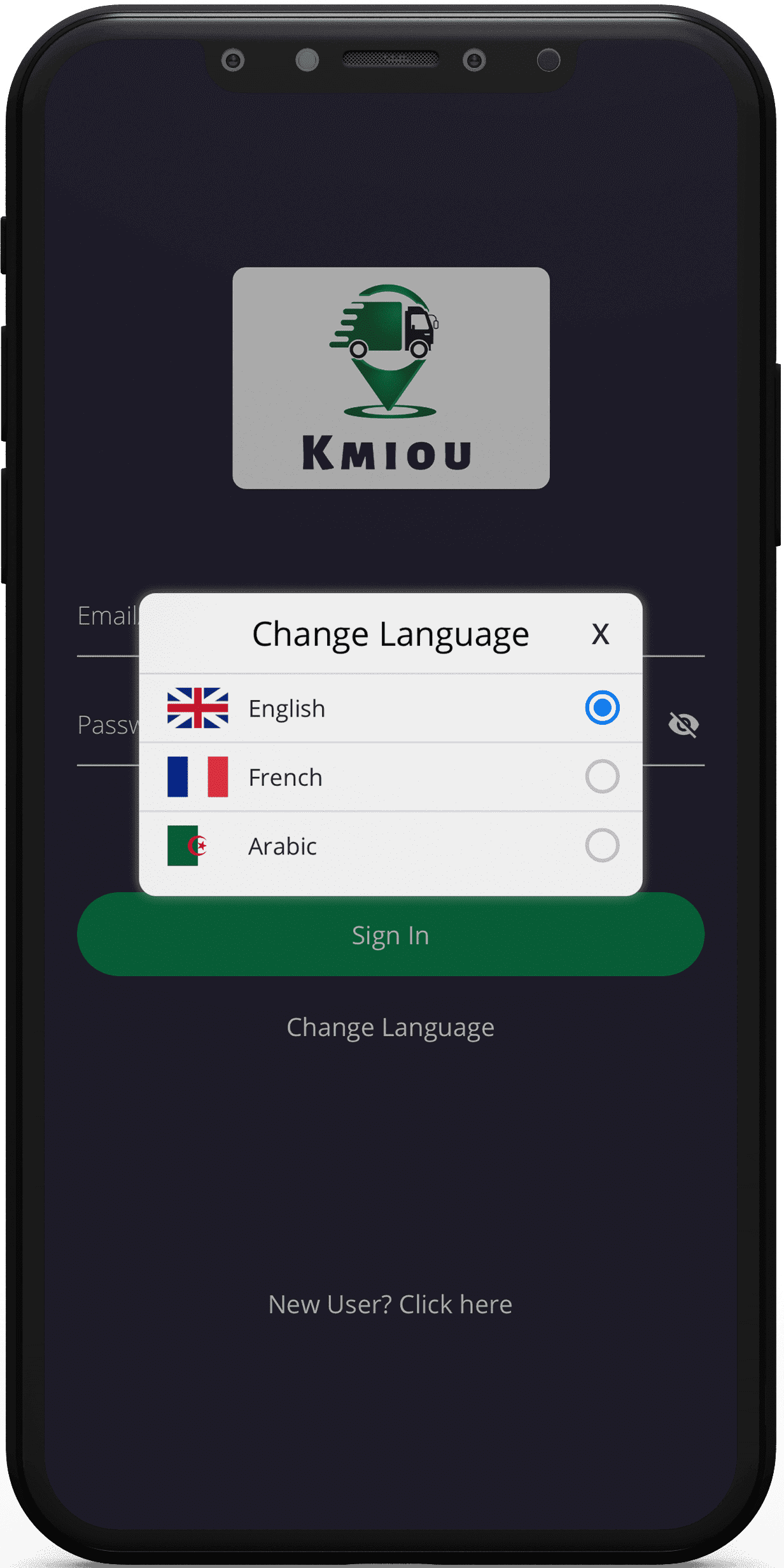
Languages matter on mixed crews. Offering the driver app in the languages your team speaks cuts mistakes in status updates and delivery notes.
Short onboarding videos and a test job before the first real shift help drivers trust the app. Small rewards for complete records can also build the habit.
Feedback from the cab should reach the product team quickly. A simple in-app report button for map errors or wrong addresses saves hours of follow-up calls.
Customer experience on the shipper side
Shippers mostly want certainty. A clear booking summary, a reliable arrival estimate and a shareable tracking link answer most of their questions before they call.
Repeat customers value saved addresses, recurring bookings and downloadable invoices. These small touches often matter more to business clients than new features.
Ratings on both sides help keep service quality visible. Shippers can rate drivers, and drivers can flag sites with long waits or unsafe loading areas.
What to plan before you start
- Who the first users are: your own fleet, partner carriers, or an open marketplace of independent drivers.
- MVP scope: booking, tracking, proof of delivery and payment first; route optimisation and load matching later.
- Pricing logic: fixed rates, distance-based rules, or quotes approved by a dispatcher.
- Budget tier: a lean single-region launch, a mid-size multi-role platform, or a larger system with heavy integrations.
- Timeline factors: number of apps and roles, payment gateways, third-party integrations and store approval.
- After launch: driver support, map and SMS usage, OS updates and new features driven by dispatch feedback.
Contracts should state who owns the code, the cloud accounts and the trip data. That keeps the platform portable if you later bring development in-house.
Plan for growth in data too. Years of GPS points and delivery photos add up, so an archive policy keeps the database fast and storage costs predictable.
Piloting with a handful of trucks on real routes usually surfaces more issues than months of office testing. Drivers notice confusing screens quickly.
Planning something similar?
EchoInnovate IT has shipped 500+ products over 12+ years, with a team of 50+ people. We build driver, customer and admin apps for logistics through our on-demand app development and mobile app development services. Share your fleet setup on a short scoping call and we’ll return a fixed quote for the agreed scope.