
Results
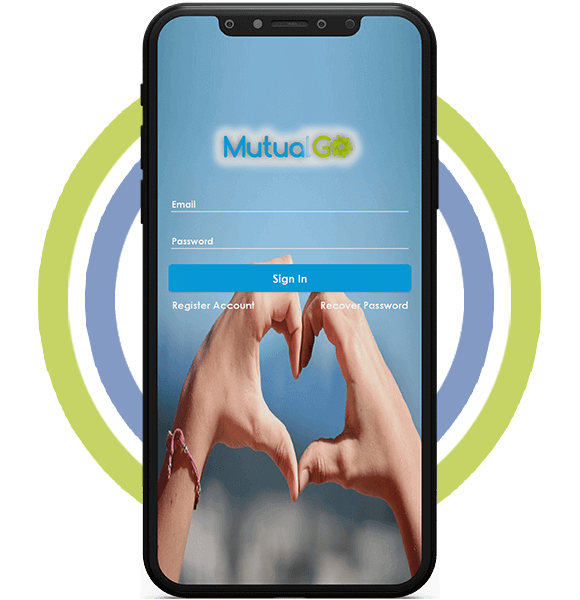
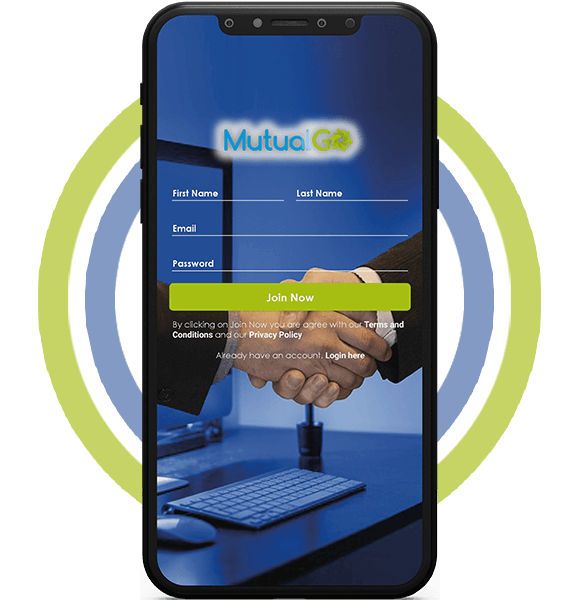
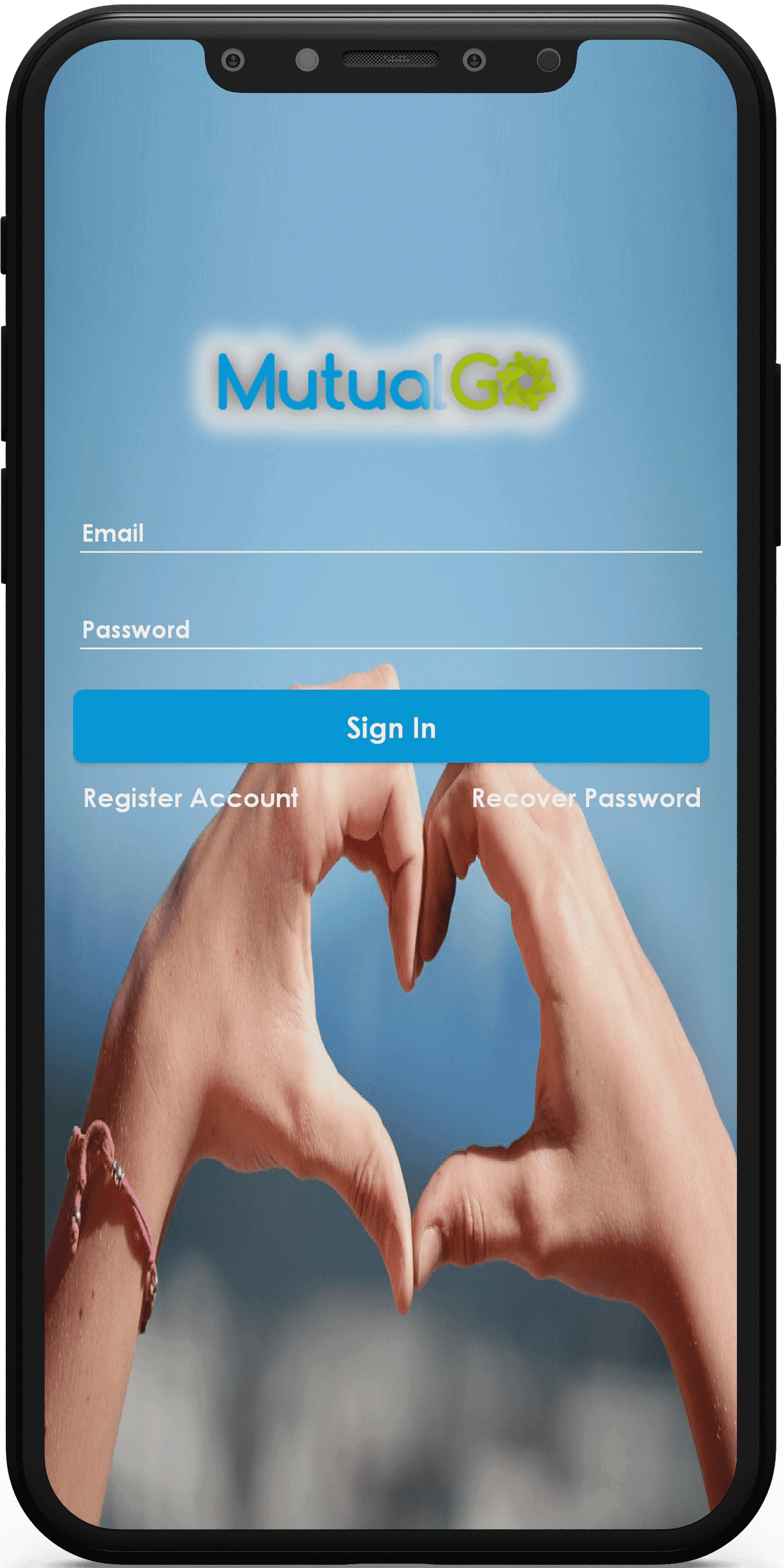
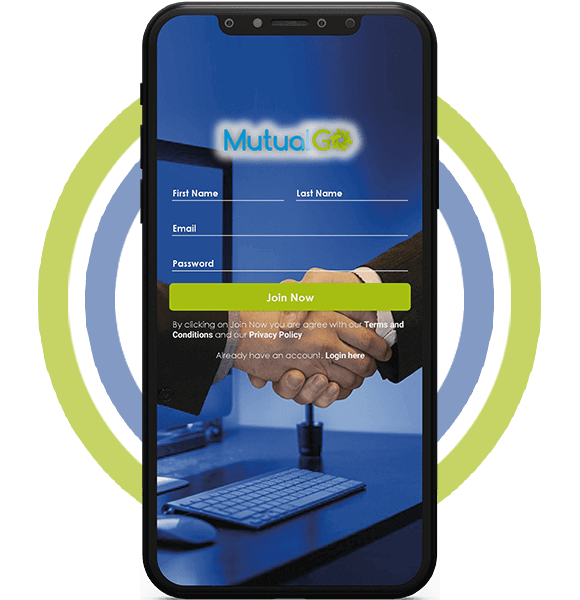
As a result, app users, solidarity-owned entities, or nonprofit foundations can design their own social campaigns, expanding their potential audience and expanding their geographic reach. Have a need for an application that can help a certain community with a problem? Contact us today. For you, an effective and scalable application will be developed by our professional app development team.
What community and cooperative apps need to do well
Cooperatives, mutual aid groups and nonprofits run on trust between members. An app for them has to make it easy to find the right people, ask for help and offer it back.
Unlike a broad social network, a solidarity app serves a defined purpose. Members join to take part in shared projects, local causes and practical support, not to scroll for entertainment.
That purpose shapes every screen. Requests for help, group pages and events sit at the centre, while likes and follower counts play a much smaller role.
Features a community support app usually needs
- Member profiles – a short bio, interests and the groups a person belongs to, so others know who they are dealing with.
- Groups and communities – spaces built around a shared interest, place or cause, each with its own feed and members.
- Help requests and offers – a simple way to ask for support in money, goods or time, and for others to respond.
- Stories and posts – text, photos and video that let members share updates, results and appeals.
- Events – listings with dates, places and sign-up, so local activities fill up and people turn up.
- Direct messaging and calls – private chat, plus voice or video for conversations that need more than text.
- Search and filters – find groups, people and requests by topic, location or type of need.
- Moderation tools – reporting, blocking and admin review, so the space stays safe for everyone.
- Notifications – alerts for replies, new requests in your groups and upcoming events, with clear controls to mute them.
Who builds apps like this
- Cooperatives – to connect members across branches and show the shared value of membership.
- Mutual aid networks – to match people who need help with neighbours who can give it.
- Nonprofit foundations – to run campaigns, gather volunteers and keep supporters informed.
- Local councils and associations – to bring residents together around events and shared spaces.
- Social enterprises – to reach younger audiences who expect a mobile-first way to take part.
Designing for many kinds of members
Members of a cooperative can range from students to retirees, so the interface has to stay simple. Large tap targets, plain labels and a short sign-up flow help every age group feel at home.
Many communities span more than one language. Planning for translations from the start avoids text that breaks layouts or menus that only make sense in one language.
Some members join as individuals and others on behalf of an organisation. Separate profile types, with different permissions, keep group pages tidy and make clear who speaks for whom.
Trust and safety come first
People share personal needs on apps like this, sometimes about money or health. Clear privacy settings, so a user decides who sees a request, are part of the core product, not an extra.
Verification options help too. Organisations can carry a verified badge, and members can confirm a phone number or email before they post requests.
Moderation needs both tools and people. Community admins should be able to remove posts, pause accounts and see reports in one place without asking a developer.
Build considerations for a solidarity platform
Most community apps launch on iOS and Android together, because members use both. A cross-platform framework keeps one codebase for both stores, which also makes later changes cheaper to ship.
Messaging and video calls are the heaviest parts to build. Many teams use an established real-time messaging or calling service rather than writing their own, then focus effort on the community features around it.
Media uploads need compression, size limits and safe storage. Without them, video posts slow the feed and run up storage costs as the community grows.
Any flow that handles money, even a simple donation or contribution, needs a payment provider that fits the countries involved. Receipts, refunds and clear records matter to cooperatives that report to their members.
An admin panel lets the organisation run the app day to day. Typical tasks are approving groups, editing categories, sending announcements and exporting member data on request.
Accessibility deserves early attention on an app meant for everyone. Readable text sizes, screen reader labels and simple language help older members and people with different abilities take part.
Growing a community app after launch
A new community feels empty without content, so seed it with a few active groups and real requests before a public launch. Early members set the tone for everyone who follows.
Partner organisations can bring their existing members across. Giving each partner its own group and admin role makes that move far easier.
Listening to members shapes the roadmap better than guesswork. A simple feedback channel inside the app shows which features people use and which ones they ignore.
Keeping members coming back
A community app earns repeat visits when something useful waits inside it. A weekly digest of new requests, upcoming events and group news gives members a reason to open the app.
Recognition helps people keep helping. Thank-you messages, a visible record of support given and shout-outs from group admins reward effort without turning kindness into a points game.
Clear exits matter as much as entry points. Members should be able to leave a group, pause notifications or close their account easily, which builds trust in the whole platform.
What to plan before you start
Write down the main action you want members to take, such as joining a group or answering a request. Build the MVP around that action and leave secondary features for later releases.
Decide who owns moderation and how fast reports get reviewed. This affects both the admin tools and the staffing behind the app.
Budget often falls into three tiers: a focused MVP with groups and requests, a fuller app with messaging and events, or a complete platform with calls, payments and a detailed admin panel. A scoping session helps match features to the tier you choose.
Timelines depend on real-time features, payment flows and how many user roles the app supports. Allow time for testing with real community members before the wider launch.
After launch, plan for hosting, app updates and moderation support as ongoing costs. Community apps grow in bursts, so the backend should scale without a rebuild.
Planning something similar?
EchoInnovate IT has a team of 50+ people and over 12 years of experience building apps for communities and organisations. Explore our mobile app development services, or start lean with our MVP development approach. Tell us about your members and goals on a short scoping call, and we will come back with a fixed quote.