Results
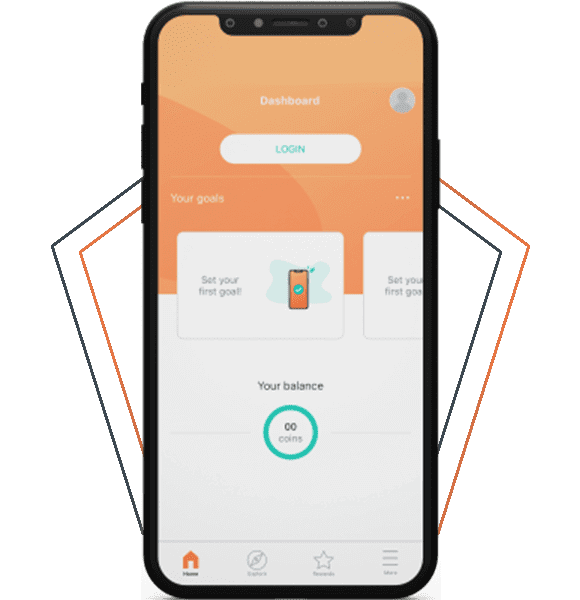
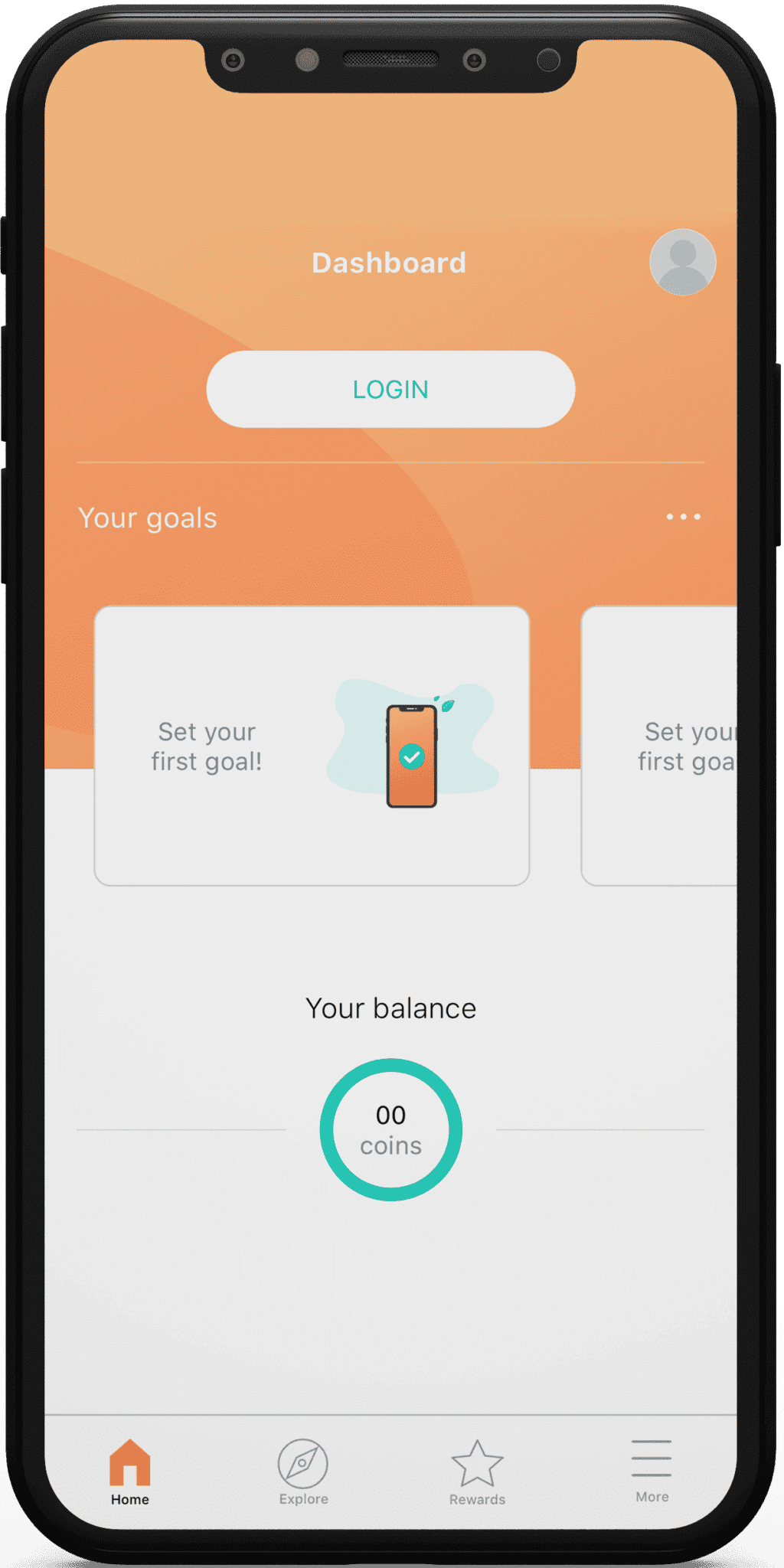
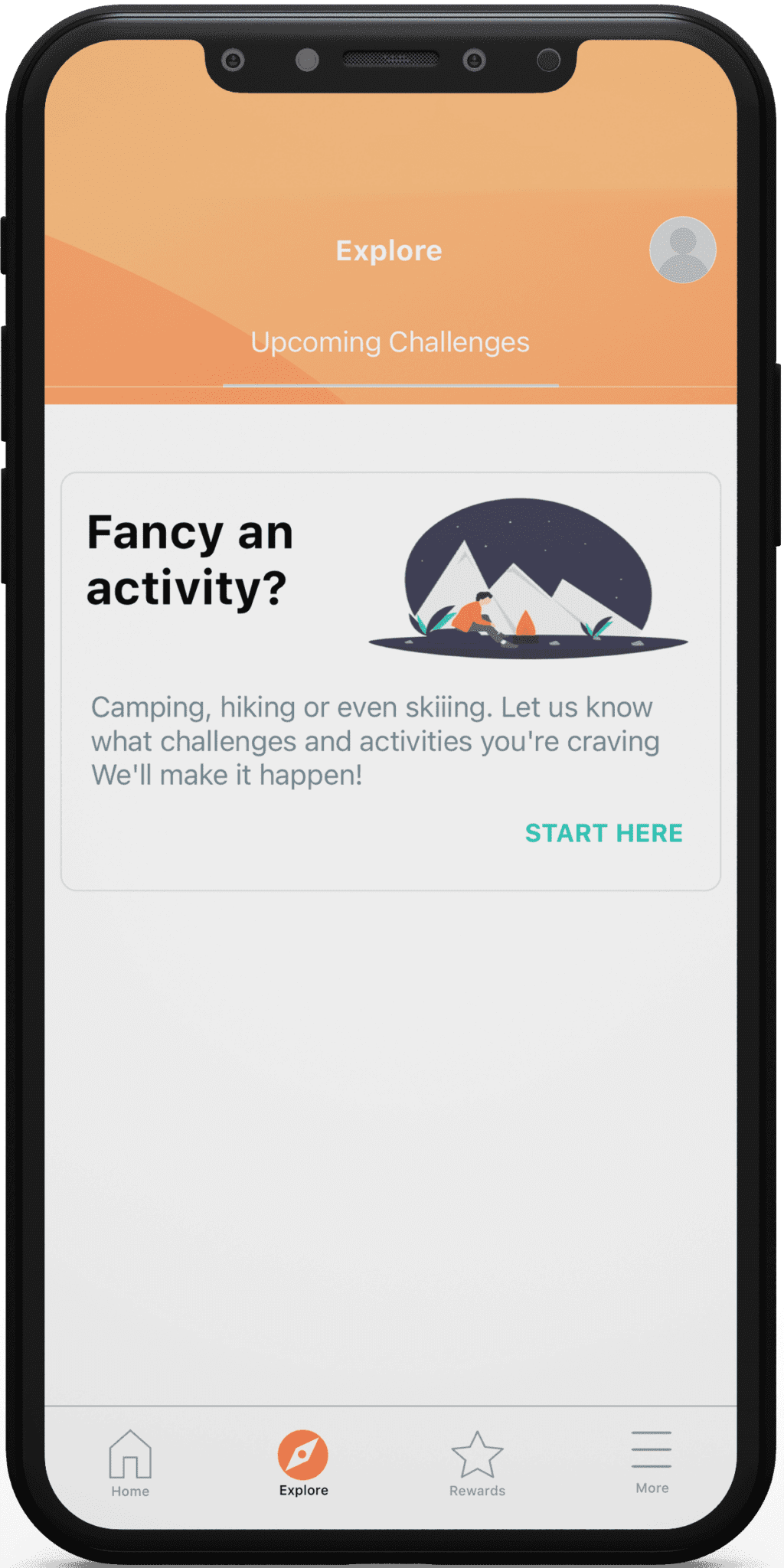
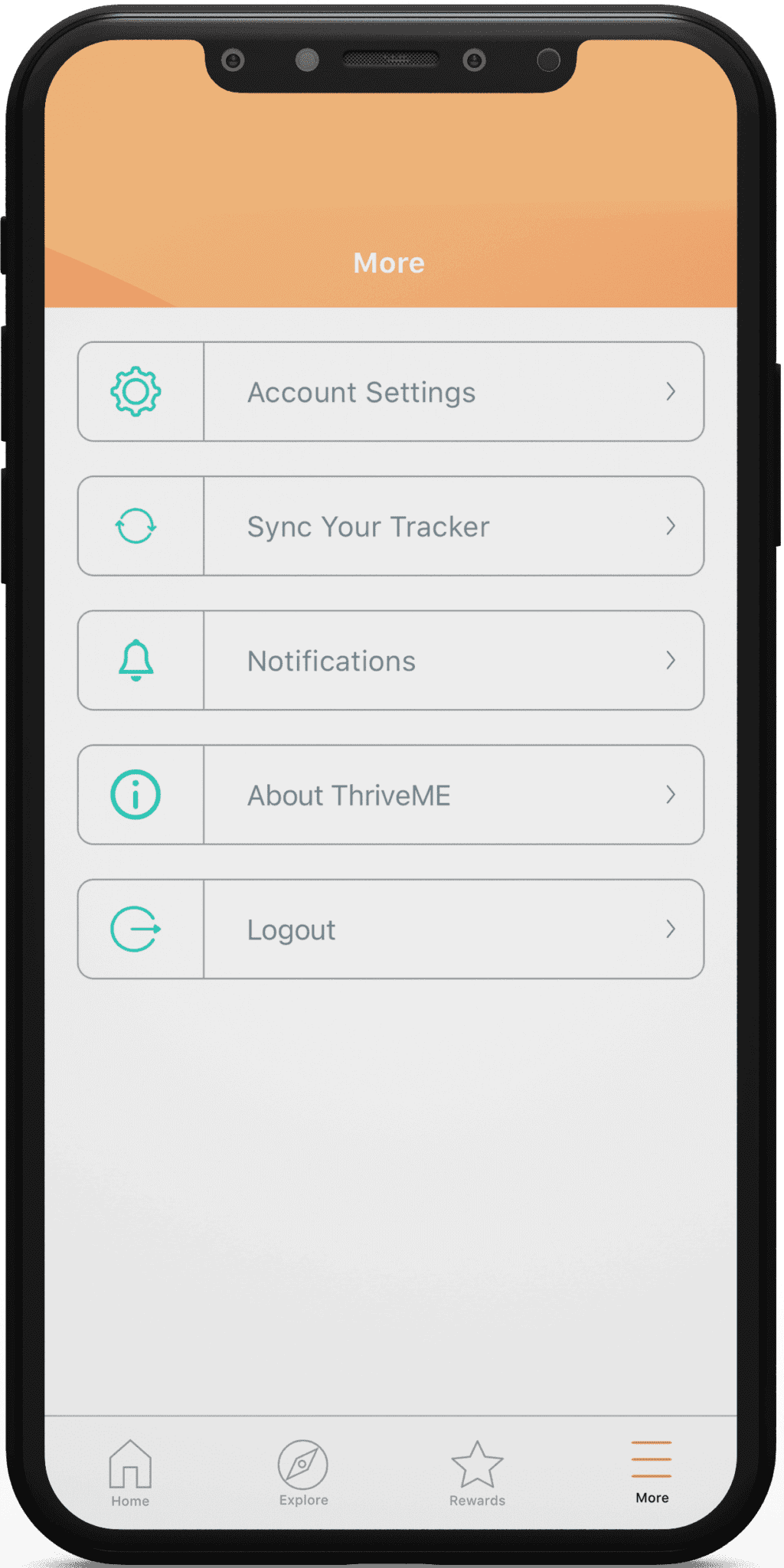
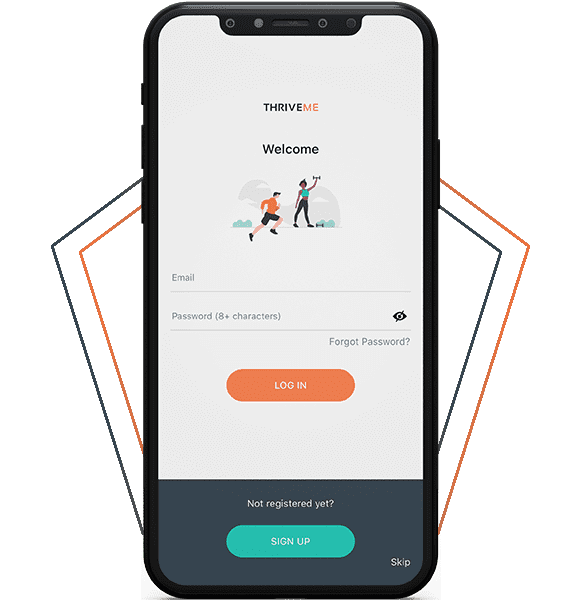
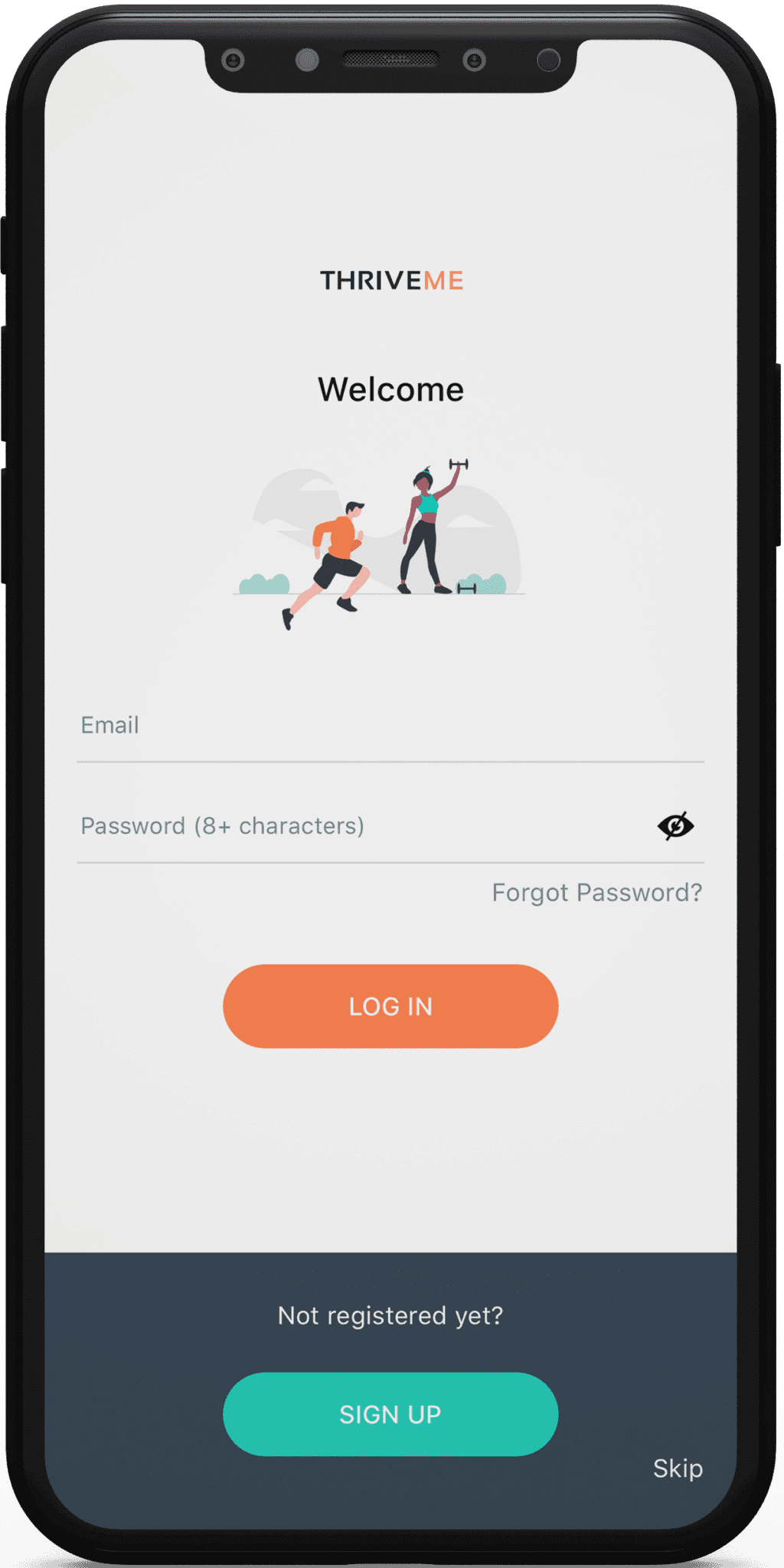
With the Thrive Me app, you may set daily health goals like drinking more water, doing more exercise, or just relaxing. Those who need encouragement to start their fitness journey should download the Thrive Me app since the inspirational audio and video content is incredibly beneficial. People may discover and engage with other members of their local community thanks to the ability to join events together.
What wellness community apps are built to do
Wellness apps work best when they turn good intentions into small daily habits. A community layer adds the encouragement many people need to keep going after the first week.
Products in this space usually blend three things: personal tracking, expert content and social support. Each one keeps the others useful, because data gives direction and people give motivation.
The audience is broad, from beginners who want to walk more to members who follow structured programmes. The app has to feel welcoming to both without burying anyone in charts.
Features a health and wellness app usually includes
- Goal setting – simple daily or weekly targets for steps, water, sleep, workouts or rest.
- Activity tracking – data from the phone or a connected wearable, shown as clear daily, weekly and monthly views.
- Health check-ins – short questionnaires that help users understand their habits and possible risk factors.
- Reminders and nudges – timed notifications that prompt action without becoming annoying.
- Personal suggestions – activities and content matched to each user’s goals and recent progress.
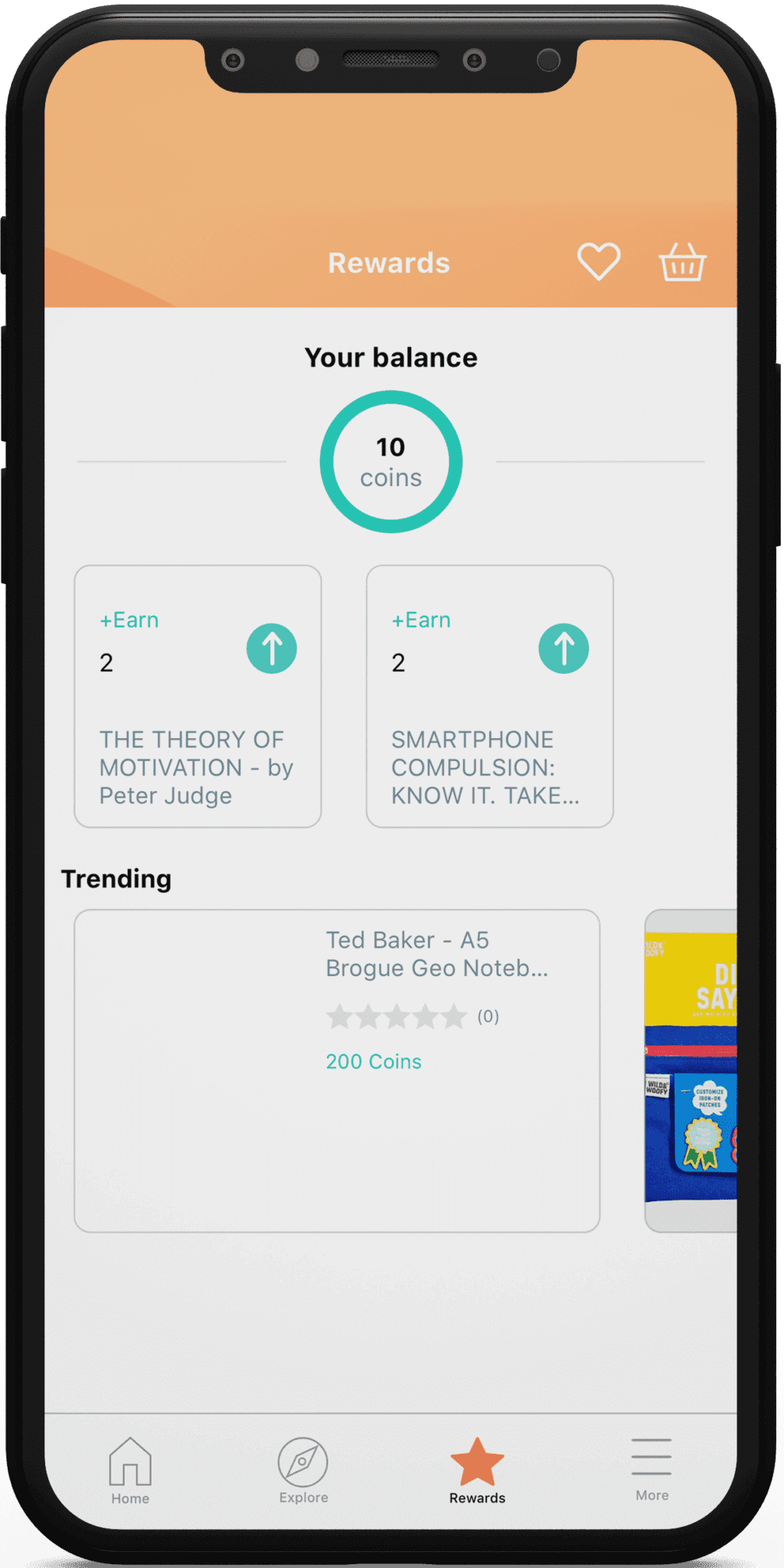
- Rewards – points, badges or coins that recognise effort and keep motivation up.
- Audio and video library – guided sessions, talks and classes users can play at home.
- Events and challenges – group activities, webinars and team goals that bring members together.
- Coach or expert access – chat or live sessions with trainers, nutrition experts or wellbeing professionals.
Who commissions apps like this
- Employers – to run staff wellbeing programmes with team challenges and private progress tracking.
- Gyms and studios – to extend classes beyond the building with on-demand sessions and member events.
- Coaches and wellness brands – to deliver programmes, content and check-ins in one branded place.
- Health providers – to support patients between visits with goals, reminders and education.
- Insurers and benefit platforms – to reward healthy habits with points or perks.
Making data easy to understand
Most people don’t want raw numbers; they want to know whether they’re on track. Simple progress rings, short summaries and one clear next step usually work better than dense graphs.
Comparisons should be personal. Showing a user how this week compares with their own last week feels encouraging, while ranking them against strangers can put beginners off.
Plain language helps as well. Labels like “rest day” or “good sleep” mean more to most members than medical terms, and tooltips can explain the detail for those who want it.
Build considerations for a wellness platform
Health data needs careful handling from the first line of code. Encryption, strict access rules and clear consent screens help meet privacy rules such as HIPAA in the US or GDPR in Europe, where they apply.
Syncing with Apple Health, Google Health Connect and popular wearables saves users from typing in numbers. Each source reports data a little differently, so the app should clean and merge it before showing trends.
Suggestion engines should start simple. Rules based on goals and recent activity often work well at launch, and machine learning can be added once there is enough real usage data.
Video and audio content needs streaming that adapts to slow connections. A content management system lets the wellness team add sessions, tag them by goal and schedule releases without a developer.
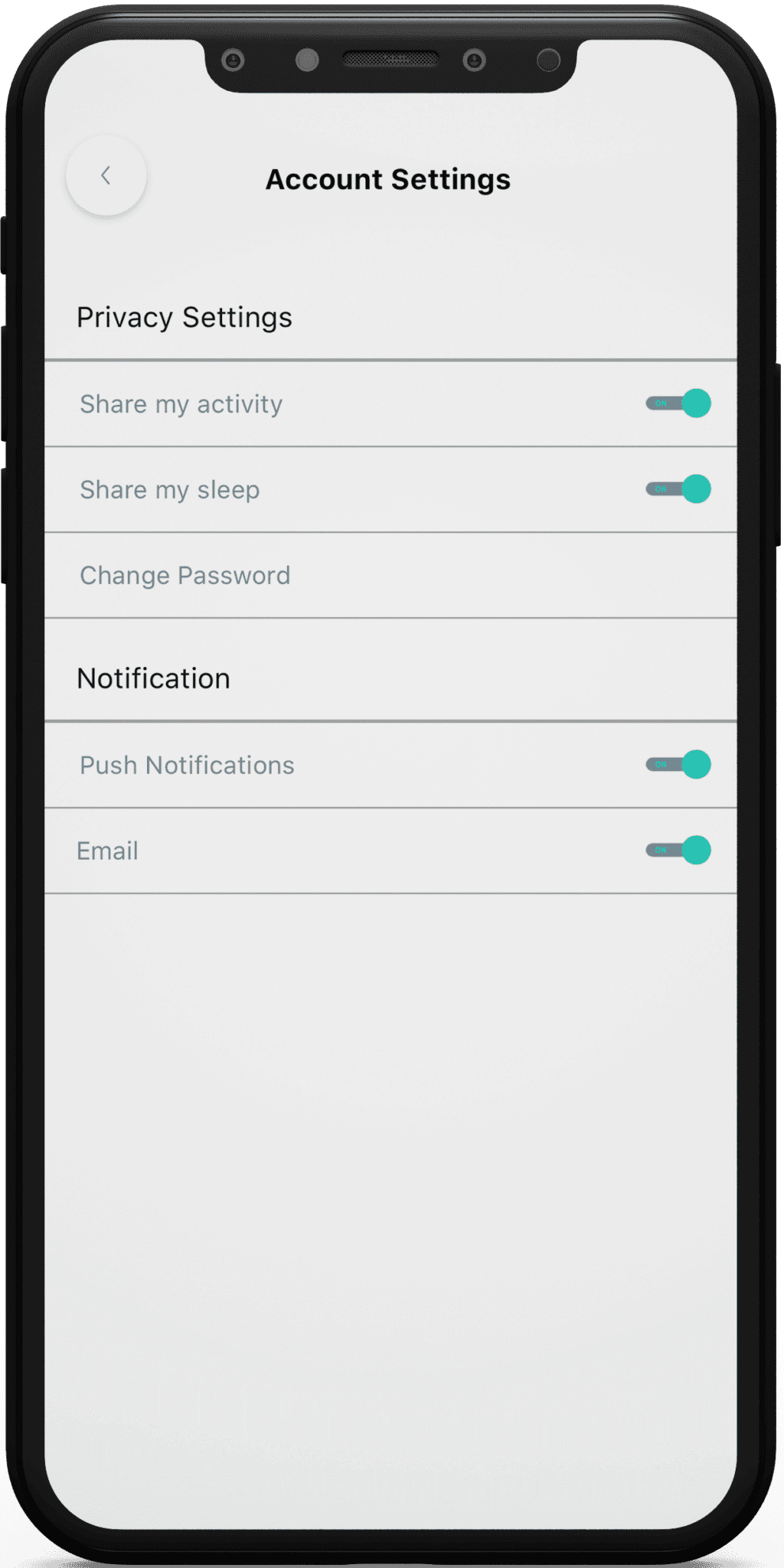
Notifications are powerful but easy to overuse. Let users choose the type and time of reminders, and test how often they can arrive before people switch them off.
Accessibility is part of wellbeing. Captions on videos, screen reader support and adjustable text sizes make the content usable for people with different needs.
Keeping users engaged without pressure
Streaks and rewards should celebrate progress rather than punish a missed day. A gentle message after a break brings people back more often than a lost streak warning.
Community features need clear guidelines and moderation. Health topics can be personal, so members should feel safe sharing without fear of judgement or bad advice.
Wellness content should never stand in for medical care. A clear note to speak with a doctor about health concerns protects both users and the business.
What to plan before you start
Choose the main habit the app will support first, such as movement or mindfulness. An MVP built around one habit is easier to test and improve than a long list of half-finished features.
Decide early whether you will use connected devices, live coaching or paid content. Each one adds integrations, payment flows and support work.
Budget usually falls into three tiers: a focused tracker with goals and reminders, a community app with content and events, or a full platform with wearables, coaching and personal suggestions. A short scoping session shows which tier suits your plans.
Timelines depend on the number of data sources, the size of the content library and how personal the suggestions need to be. Leave time for privacy review and app store checks on health features.
After launch, plan for fresh content, model tuning and updates as phone health APIs change. Regular content is often what keeps members subscribed.
Planning something similar?
EchoInnovate IT has spent 12+ years building apps across health, fitness and community products. Have a look at our healthcare app development and wearable device app development services. A short scoping call about your audience and goals comes first, and then we send a fixed quote.