

Victoire Boutique is a Canadian fashion retailer offering a carefully curated selection of women’s clothing, accessories, and footwear. Founded in 2006, the brand has since become a go-to destination for contemporary and unique styles that cater to modern women’s needs.
With a focus on independent and ethical designers, Victoire Boutique is committed to providing high-quality pieces that are both stylish and sustainable. From statement dresses to everyday essentials, the brand offers a diverse range of options to suit any occasion.
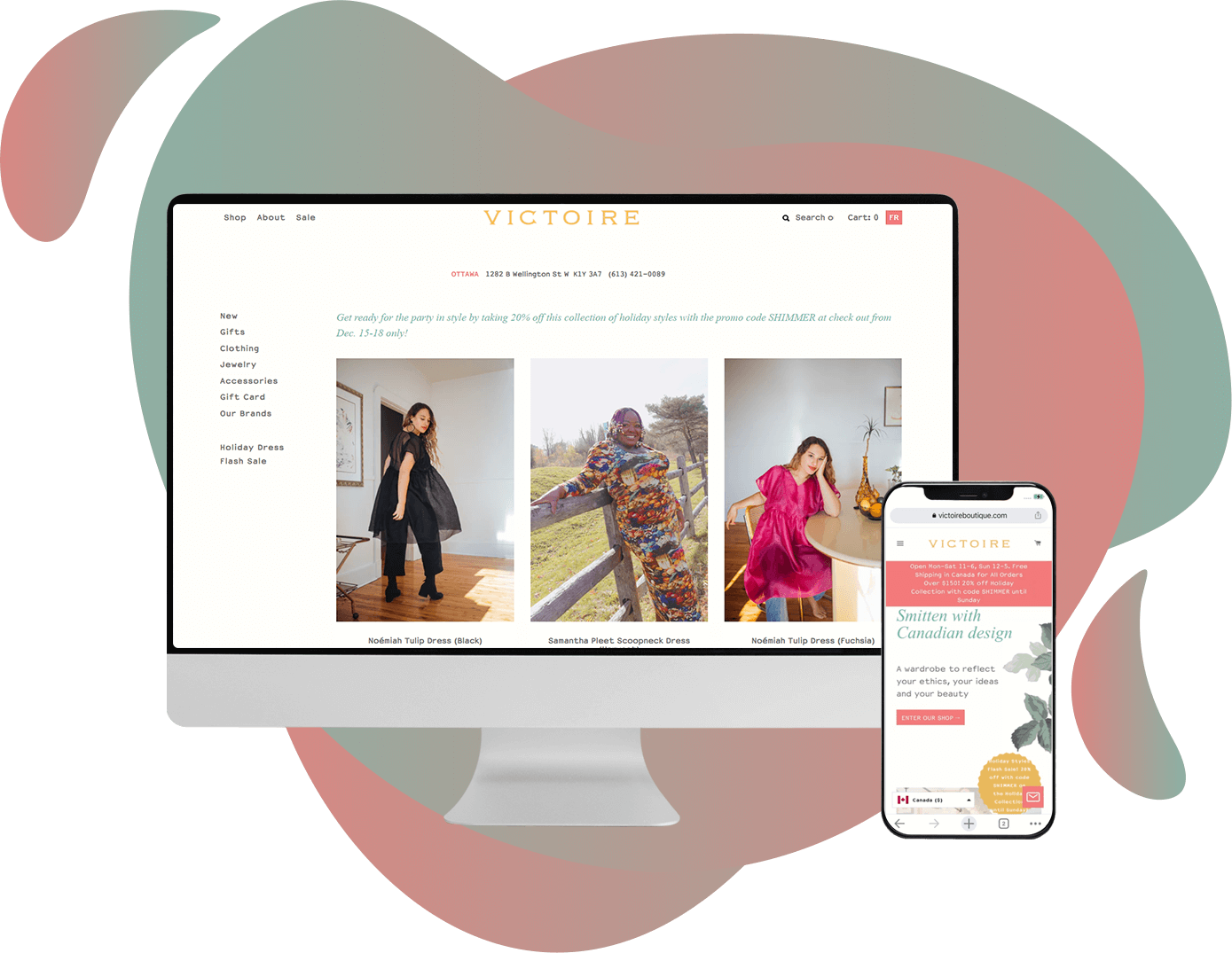
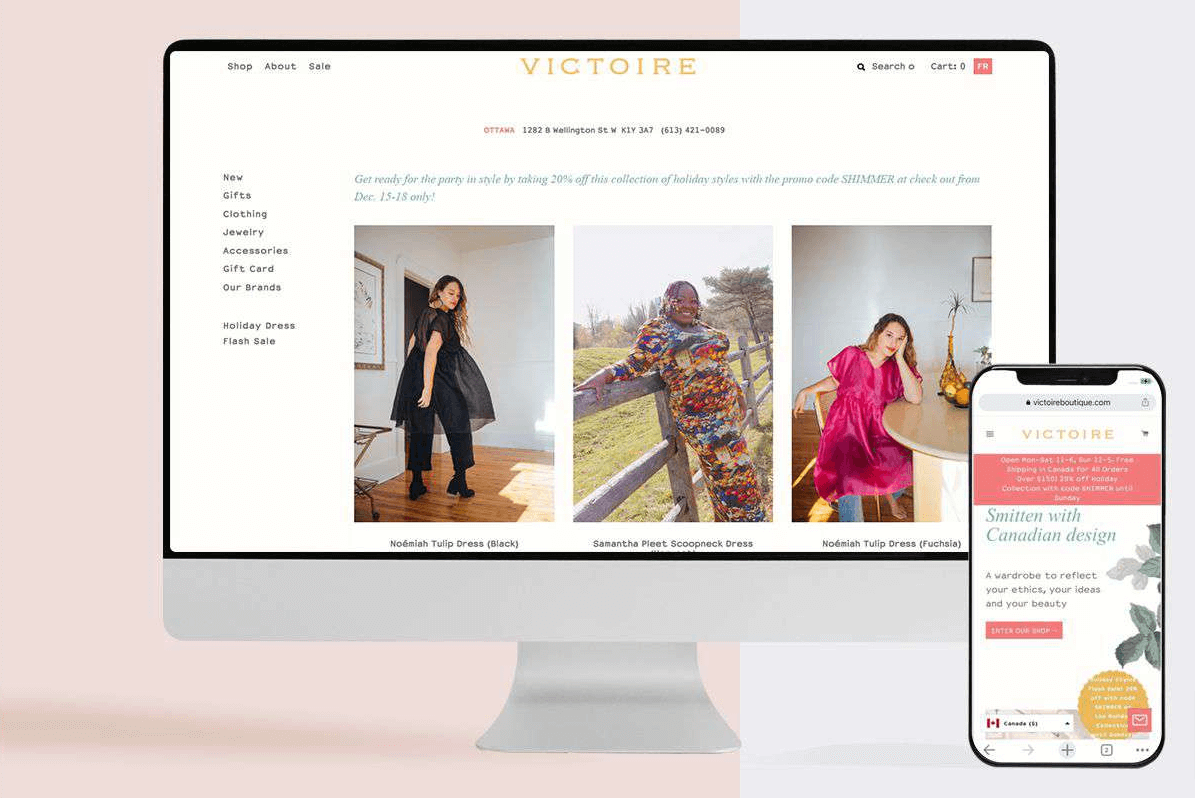
Victoire Boutique was founded in 2006 by high school friends Katie Frappier and Regine Paquette.The brand is committed to promoting sustainable fashion and proudly showcases ethically-made clothing and accessories, mostly from Canada.Victoire’s philosophy is about dressing for oneself and finding joy in fashion.
What a fashion boutique needs from its online store. An independent boutique sells taste as much as clothing. Shoppers come for a curated edit, so the store has to show each piece the way a good sales assistant would.
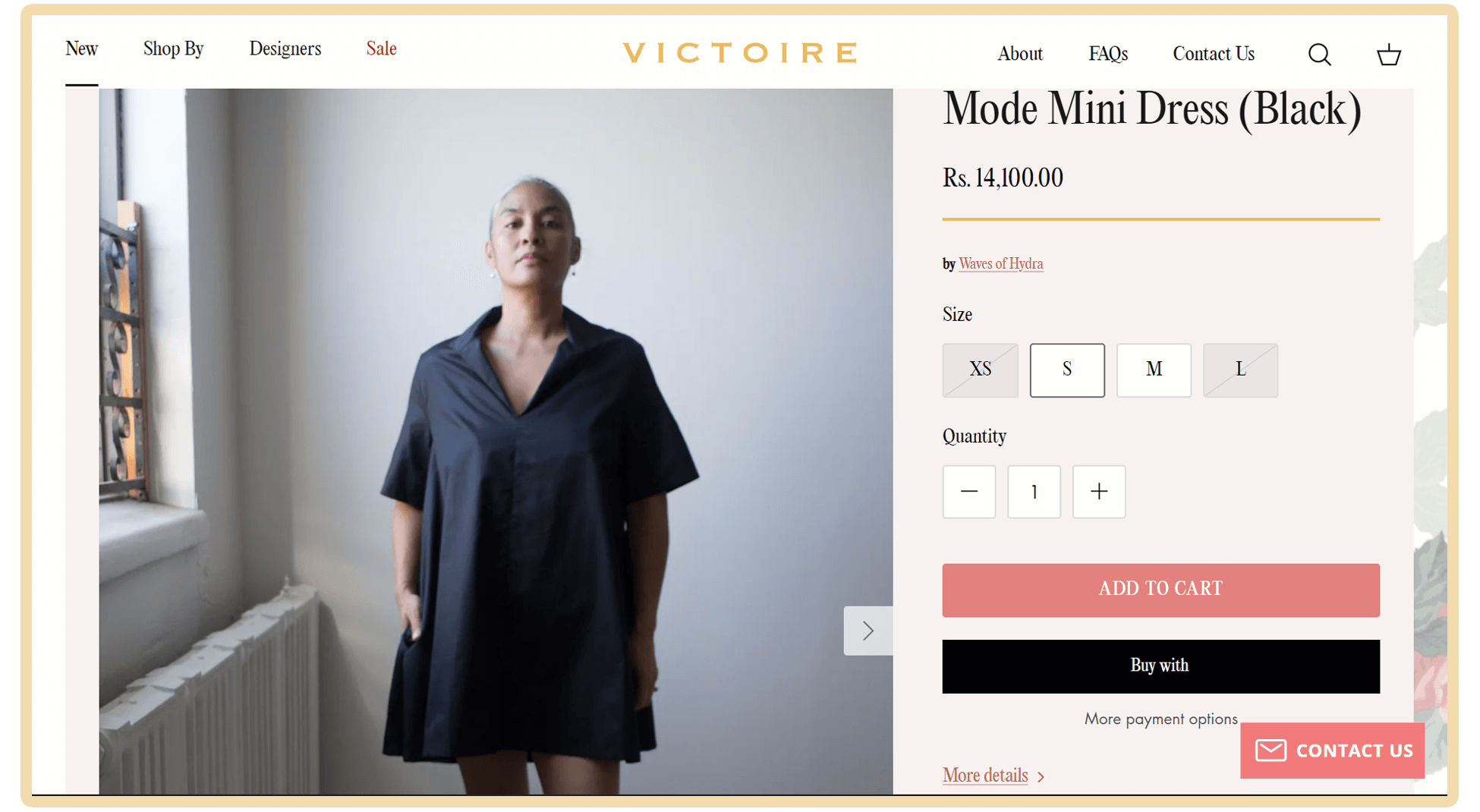
That means large, consistent photos, honest fit notes and styling ideas that link one item to another. It also means the store must feel like the physical shop, not a generic template.
Many boutiques also carry stock from several small designers. The site needs to tell those makers’ stories while keeping product data neat for filtering and stock counts.
Features a women’s fashion store usually needs:
Why Shopify suits a boutique. Shopify handles hosting, checkout and payment security, which lets a small retail team focus on merchandise. The admin is simple enough for staff to add products, update stock and run sales without help.
A custom theme keeps the brand distinct. Theme sections let the team rearrange the home page, swap campaign banners and feature new arrivals on their own schedule.
Apps extend the store, but each one adds scripts to the page. Pick a small set for reviews, email and wishlists, and check page speed after each install.
Build considerations for fashion ecommerce. Product photography drives the experience, so plan image sizes, zoom and alt text from day one. Mobile layout comes first, since many fashion shoppers browse on their phones.
Search and filters need clean product data. Consistent tags for size, colour, fabric and occasion make filtering reliable and help search engines read the catalogue.
Accessibility helps every shopper. Readable text over images, labelled form fields and focus states on buttons all make checkout easier to finish.
Integrations often include a point-of-sale system for the physical store, an email marketing tool and a shipping app. Agreeing these early avoids rework on product and order data.
Tax and shipping rules vary by region. Set them up carefully before launch and test real orders to each zone you plan to serve.
What to plan before you start. Decide on the launch catalogue and get product copy, photos and size data ready in one format. Content readiness affects the timeline more than any technical task.
Define a first version that covers browsing, filtering, wishlist and checkout. Loyalty schemes, subscription boxes or multi-currency selling can be added once the core store is running well.
Boutique store costs fit an entry, mid or upper band. Custom theme work, the count of integrations and any migration from an older platform push a build from one band to the next.
If you are moving from another store, map old product and collection URLs to new ones. Proper redirects protect search rankings and stop shoppers hitting dead links.
After launch, plan seasonal updates. New collections, sale periods and holiday campaigns all need theme tweaks, so a light maintenance plan keeps things moving.
Telling the sustainability story. Shoppers who care about ethical fashion look for proof, not slogans. A short note on each product about the maker, the fabric and where it was made answers that need directly.
A dedicated page on sourcing values helps too. Link to it from the footer and from product pages, so curious buyers can read more without leaving their basket behind.
Care instructions belong on every product page. They help clothes last longer, which fits a slow-fashion message and cuts down on avoidable returns.
Writing product pages that sell. Good product copy sounds like the boutique staff talking. Describe how a piece fits, how it feels and what it pairs with, in a few short lines.
Add model height and the size worn in each photo. That single detail answers one of the most common questions shoppers have before they buy.
Use a consistent structure across every product: a short story, key details, fit, fabric and care. Shoppers learn where to look, and the catalogue stays easy to maintain.
Bringing the shop floor and the website together. Boutiques with a physical store can use the website to drive visits as well as orders. Store events, new-arrival posts and click-and-collect all link the two channels.
Shared stock between the till and the website prevents overselling. When both run from one inventory, staff can trust the numbers they see on screen.
Customer profiles can link in-store and online purchases too. That gives a fuller picture of each regular, which helps with personal styling notes and targeted emails.
Keeping shoppers coming back. A welcome email series introduces the brand to new subscribers and points them to bestsellers. Later emails can share new arrivals, styling tips and restock news.
Customer reviews with fit feedback, such as “runs small” or “true to size”, are especially useful in fashion. They reassure new buyers and reduce exchanges over time.
Each month, watch a small set of numbers: conversion rate, average order value, return rate and repeat purchases. Together they show where the store is improving and where it needs attention.
Speed and checkout details that matter. A slow product page loses a shopper before the first photo appears. Keep hero images sized for each screen and load reviews or recommendations after the main content.
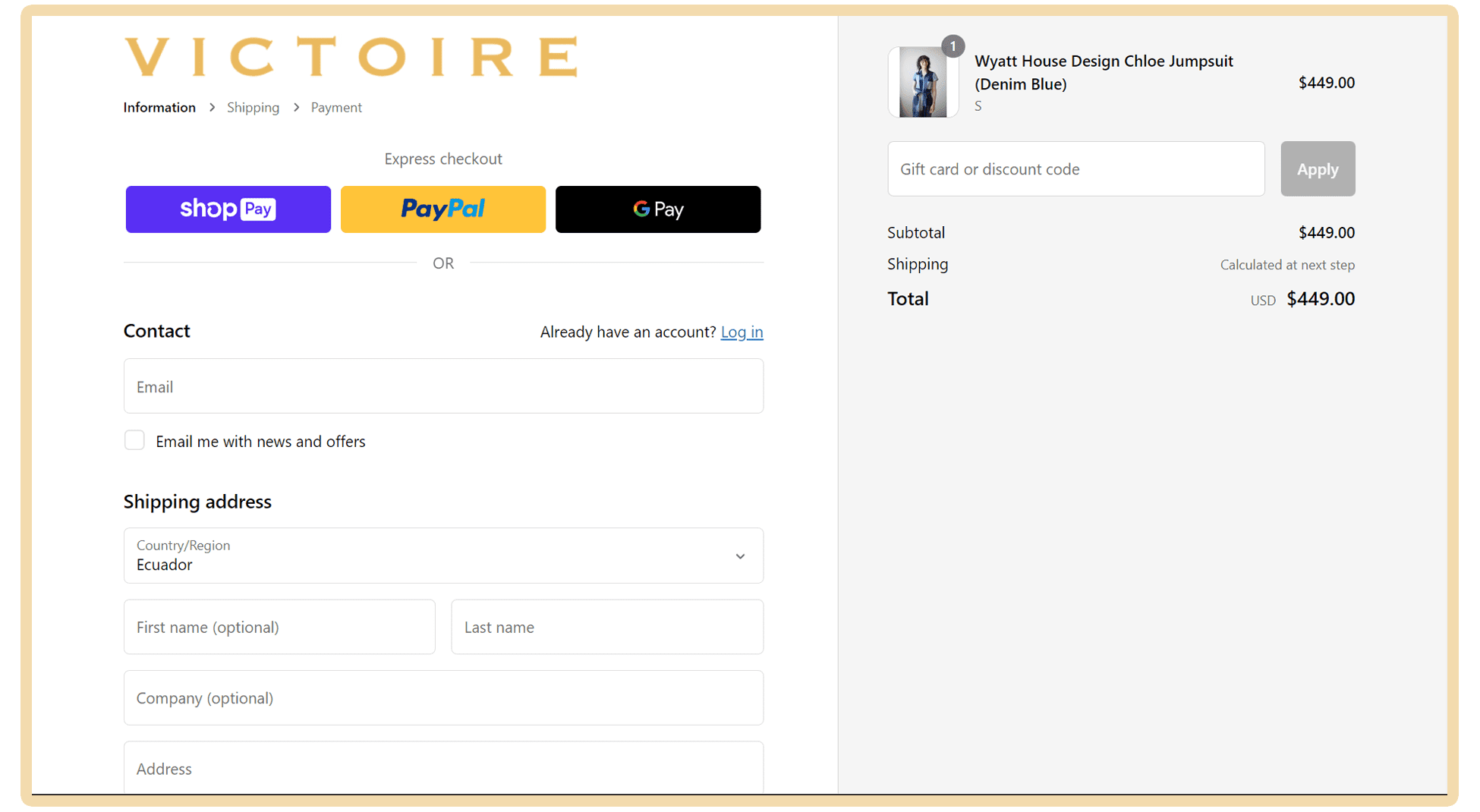
Offer express wallets alongside card payments, since many shoppers prefer them on mobile. Guest checkout should stay available for people who do not want an account yet.
Show shipping costs and delivery times before the final step. Surprise fees at checkout are one of the most common reasons buyers walk away.
Selling across borders. A boutique with fans in other countries can open international shipping in stages. Start with nearby markets, learn the duty and delivery questions customers ask, then expand.
Local currency display and clear duty notes make overseas buyers more comfortable. Returns rules for international orders should be spelled out on their own page.
If you add another language later, keep product data structured from the start. Translated titles, descriptions and size notes then slot in without rebuilding pages.
Packaging and unboxing are part of the brand too. A note on gift wrapping or recycled packaging on the product page tells shoppers what to expect when the parcel arrives.
Size exchange requests should be quick to start online. A simple form that suggests the next size up or down keeps the customer happy and the sale intact.
Staff picks and styling notes from the team add a personal touch that large chains struggle to match.
Planning a store for your own boutique? EchoInnovate IT builds online stores for retail brands, with a team of 50+ people and 500+ products delivered. Explore our Shopify development services or our ecommerce app development work.
Tell us about your collection on a quick call; once the scope is clear, we’ll send a fixed price for it.
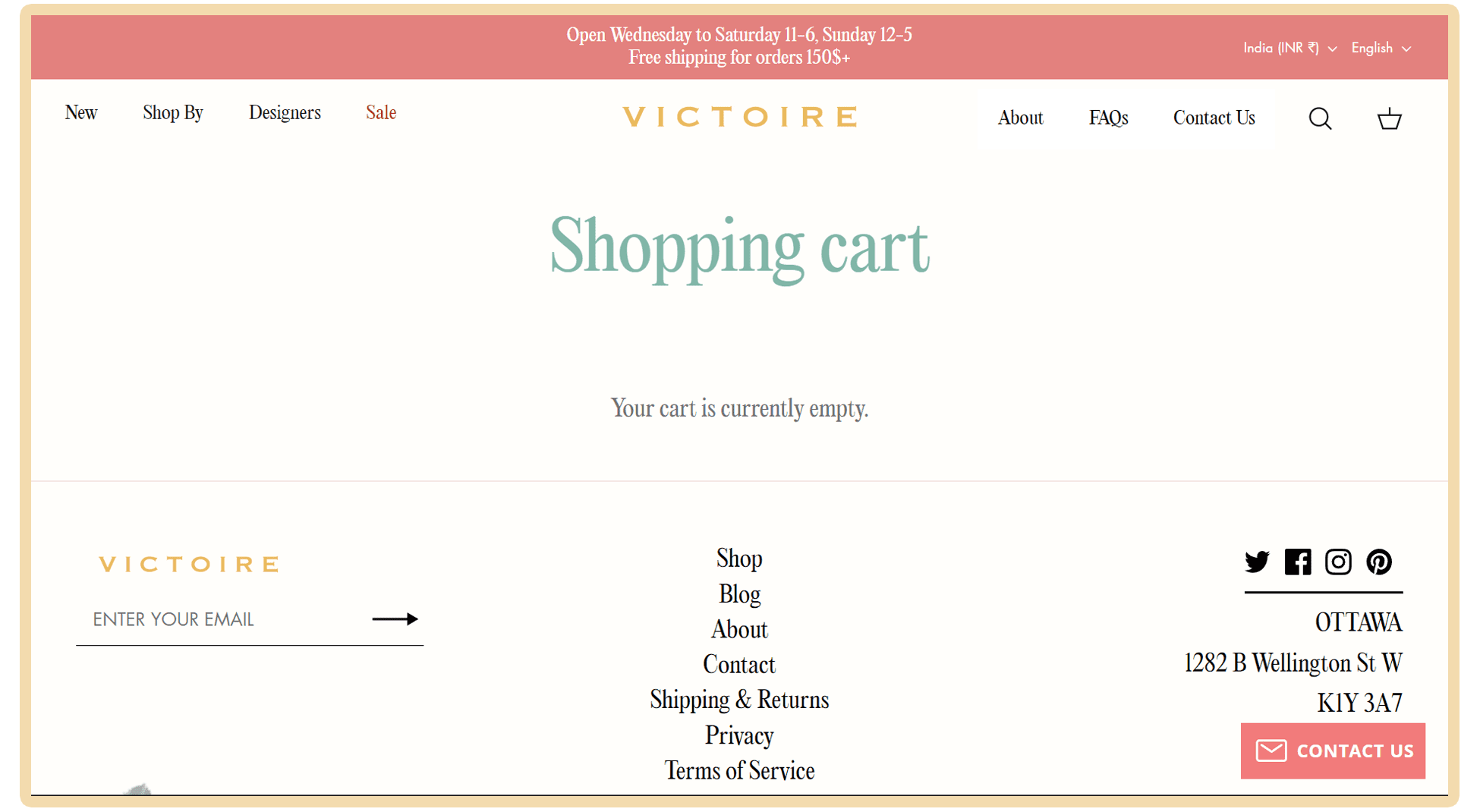
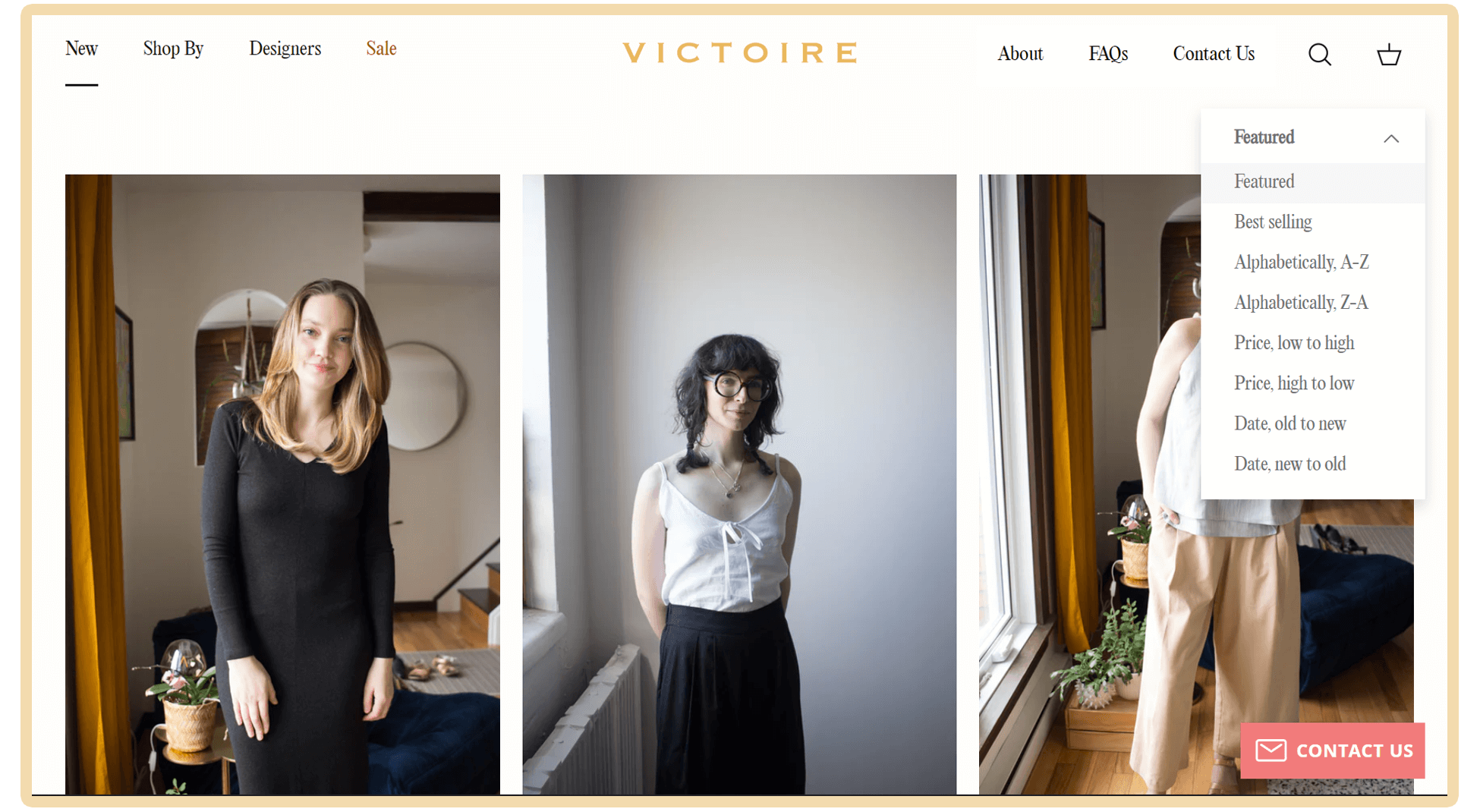
Expand your fashion business with an ecommerce website. Showcase your products, manage inventory, and process payments securely. Grow your business beyond your brick-and-mortar store. Start building your ecommerce website today!