
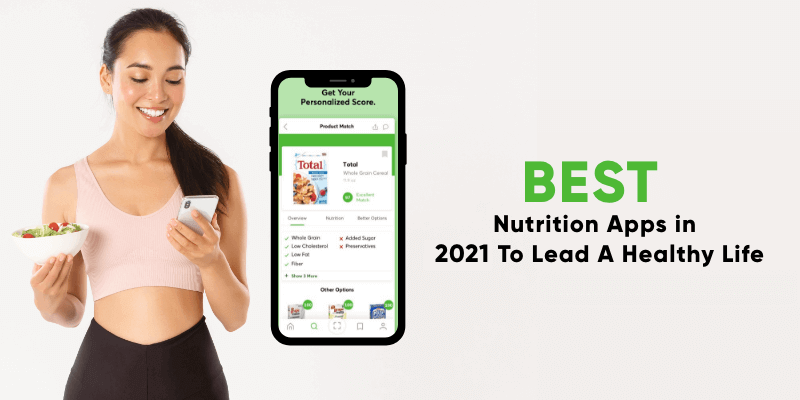
Mobile nutrition apps have become essential tools for individuals looking to maintain a healthy lifestyle and businesses developing digital health platforms. With AI-driven personalization, barcode scanning, expert-backed meal plans, and seamless integration with Android and iOS devices, today’s best nutrition apps go far beyond calorie counting. Whether you’re aiming for weight loss, fitness tracking, or general health improvements, these apps offer smart, secure, and user-friendly solutions that meet the demands of modern mobile users.
Why Nutrition Apps Are Booming in 2026
Nutrition app revenue crossed $8 billion globally in 2025 and continues growing at 15%+ annually. The drivers are structural: rising obesity and diabetes rates, GLP-1 medications creating high-touch nutrition needs, post-pandemic interest in metabolic health, and AI-driven food recognition that finally made calorie tracking feel less like a chore. MyFitnessPal, Lose It!, Yazio, Cronometer, MacroFactor, and a wave of AI-personalized apps (Lasta, BetterMe) lead the category.
If you’re looking for the best nutrition apps in 2026, the field has clear categories: calorie + macro tracking (MyFitnessPal still leads, MacroFactor for macros, Cronometer for micronutrient depth), AI food-photo logging (Foodvisor, Bitesnap, Calai), specialty diet (Carb Manager for keto, Yazio for general weight loss, Lifesum for sustainable eating), meal planning (Eat This Much, PlateJoy), and medical / clinical-grade (Levels Health for CGM-integrated, RP Diet Coach).
This guide covers the strongest nutrition apps in 2026 — what each does best, pricing, and where each falls short. If you’re thinking of building a nutrition or metabolic-health app, see our mobile app development services.
1. Fooducate – Smart Food Grading and Wellness Tracking
10 min read · Last updated: May 2026
In this article
- 1. 1. Fooducate – Smart Food Grading and Wellness Tracking
- 2. 2. Cronometer – Detailed Macro & Micronutrient Tracking
- 3. 3. MyFitnessPal – The All-in-One Nutrition and Fitness App
- 4. 4. BetterMe – Personalized AI Wellness and Nutrition Coaching
- 5. 5. Yuka – Instant Food Ratings and Smart Grocery Decisions
- 6. 6. Nourish – AI-Powered Dietitian Support for Personalized Care
- 7. Key Mobile Nutrition Trends :
- 8. Choosing the Right Nutrition App
- 9. List of Best Nutrition Apps in 2025
- 10. 1. MyFitnessPal
- 11. 2. Calorie Counter
- 12. 3. MyPlate Calorie Counter
- 13. 4. A Calorie Counter And Diet Tracker
- 14. 5. Protein Tracker
- 15. 6. Superfood
- 16. 7. Waterlogged
- 17. 8. Shopwell
- 18. 9. Carbs Control
- 19. 10. You Ate
- 20. 11. Fooducate
- 21. 12. Lifesum
- 22. 13. Lose It
- 23. FAQs
Fooducate is a top-rated nutrition app offering a complete mobile experience for Android and iOS users. It empowers users to make healthier food choices through barcode scanning that grades food based on ingredients, sugar content, and processing level. With support for multiple diet types including keto, paleo, vegan, and gluten-free, the app also tracks calories, macros, mood, sleep, and workouts. Its easy-to-use interface and personalized recommendations make it ideal for health-conscious individuals and app developers focusing on nutrition and wellness features.
2. Cronometer – Detailed Macro & Micronutrient Tracking
Cronometer is known for its unmatched precision in tracking both macro and micronutrients. Perfect for users who require in-depth nutritional data, this app is available on both Android and iOS platforms. It supports calorie counting, barcode scanning, intermittent fasting, and integrates with devices like Apple Watch and Fitbit. Cronometer is trusted by nutritionists and health professionals due to its accurate food database and clean interface, making it a strong choice for developers building clinically aligned mobile apps.
3. MyFitnessPal – The All-in-One Nutrition and Fitness App
MyFitnessPal remains a dominant force in the nutrition app space. It combines calorie and macro tracking with fitness monitoring, meal logging, water intake, and activity syncing. The app offers an extensive food database, a barcode scanner, and customizable meal plans. Available on Android and iOS, MyFitnessPal also connects with fitness wearables, making it a comprehensive health companion for users and a solid integration point for health and wellness businesses targeting mobile-first audiences. Related: healthcare app development.
4. BetterMe – Personalized AI Wellness and Nutrition Coaching
BetterMe is a popular choice for users seeking personalized coaching across nutrition, fitness, and mental well-being. Using AI to adapt plans based on user goals and behavior, BetterMe offers features like meal logging, hydration tracking, weight loss plans, and mood journaling. It supports iOS and Android and includes features for sleep tracking, cycle tracking, and beginner fitness routines, making it an inclusive wellness solution for various demographics.
5. Yuka – Instant Food Ratings and Smart Grocery Decisions
Yuka simplifies food shopping by allowing users to scan products and receive real-time health scores based on ingredients, additives, and nutritional value. The app’s clean mobile interface is designed for iOS and Android, and it appeals to users who value transparency and informed decisions. Yuka is ideal for consumers concerned about food quality and is a great tool for brands and retailers interested in aligning with clean-label trends.
6. Nourish – AI-Powered Dietitian Support for Personalized Care
Nourish combines professional dietitian guidance with machine learning to offer tailored nutrition plans through its intuitive mobile app. Users can connect with registered dietitians, track their meals, and receive expert advice based on medical needs or wellness goals. The platform supports Android and iOS and is particularly beneficial for businesses in digital health, insurance, and corporate wellness looking to offer reliable, clinically backed nutrition services.
Key Mobile Nutrition Trends :
- AI-Powered Customization: Apps now use AI to create meal plans, adjust recommendations in real time, and support dynamic goals like weight loss or muscle gain.
Wearable & App Integration: Android and iOS apps are increasingly syncing with devices like Apple Watch, Fitbit, and Google Fit for a holistic health overview.
Barcode Scanning & Smart Labels: Instant food analysis is a must-have feature, helping users make better choices at grocery stores.
Freemium to Lifetime Models: Apps offer flexible pricing, including free basic access or one-time lifetime subscriptions, to appeal to diverse user groups.
Choosing the Right Nutrition App
| Goal | Recommended App |
|---|---|
| Precision tracking | Cronometer |
| Cost-effective nutrition tool | Fooducate |
| Full-featured wellness suite | MyFitnessPal |
| AI-driven coaching | BetterMe |
| Grocery food transparency | Yuka |
| Clinical nutrition support | Nourish |
List of Best Nutrition Apps in 2025
With the influence of the internet and technology, a lot of advancement has taken place and it paved the way to the developments of applications. There is an application for different journals. When it comes to nutrition there are several apps that have been developed and help you to maintain your diet, such as MyFitnessPal, Lose It!, and others. These best health and wellness apps enable users to monitor their calorie intake, track their meals, and create customized diet plans.
They also provide users with access to a database of food items, making it easier to keep track of their daily intake. Developing an app like MySugr for nutrition enthusiasts can also be helpful in managing their diet goals. By tracking their progress and offering customized guidance, such apps can help users stay on track and achieve their desired results. These apps can also allow users to connect with nutrition experts and access a wide range of resources, such as healthy recipes and meal plans. With the growing demand for nutrition apps, businesses have a unique opportunity. They can tap into this market and offer innovative solutions for users’ health and wellness needs.
There are lots of benefits in tracking your nutrition. It helps you to manage food intolerances to increase energy, avoid mood changes, and help in fueling the rhythms of your day. You can gain all these benefits by logging into a nutrition app. Within a few taps on the app, you can make the job a little easier by looking at the impressive reviews, quality content, and reliability. Some of the top benefits of nutrition apps are listed below that help you with following a proper diet.
1. MyFitnessPal
MyFitnessPal is one of the most highly used apps that is designed. It is known as the powerhouse app that consists of more food databases, a barcode scanner, recipe importer, restaurant loggers, food insights, calorie counter, and other features.
It will help you in maintaining nutrition to lose weight, change bad habits, build muscles, or just to hold yourself accountable for your eating. Therefore these all are the benefits of choosing this and you can make it easy. Related: mobile app development services.
2. Calorie Counter
To lose weight and to maintain a diet calorie counter is one of the best personal assistance. It helps you with making perfect multi-tasking. It has features such as a food diary, calorie counter, and exercise tracker.
As it is a fresh, modern aesthetic app that allows you to plan your meal, dial in those macros, check out nutrition facts, and get insights based on the data given.
3. MyPlate Calorie Counter
This is the best nutrition app and it is a user-friendly app that is designed to help in reducing weight and improve your health. You can find lots of nutritional facts, as well as personalized daily calorie goals. In addition, you can make healthy meal plans, a barcode scanner, a lot of extensive food databases, and detailed statistics about your nutritional ongoing plans.
4. A Calorie Counter And Diet Tracker
Maintaining your food tracking other physical exercises can be planned with the help of this app. With the help of this app, you can log on to know what food you should take from the database as per the schedules.
As the app provides you with 3 million foods and beverages. One can use it to track the nutrient and track your exercise with the help of available build-in planning and logging. You can follow up on any kind of dieting plan that will help you to build a holistic diet and exercise daily and it can be tracked in a single place.
5. Protein Tracker
Protein is considered one of the core nutrients that is essential for the human body and helps in important functioning. It helps you to gain weight and build up muscles.
The app has the feature to set up specific goals and track the amount of protein content that you are taking. You can also set up alerts and reminders that will ensure the meeting of protein goals each day.
The time laps to make proteins are also notified and see a quick snapshot of it. You can compare the different time intervals where you need to be with the intake of protein. Related: cross-platform app development.
6. Superfood
This is a kind of nutrition app that will help you to find the right nutritious and healthy recipe for the betterment of your health. You can also track the calories at the same time as trying new foods recipes.
You can enjoy lots of other benefits like the app letting you look through a large database of recipes. Here, you can choose a recipe a day and improve your health.
The app consists of a food recipe for both weight gain as well as weight loss. Introducing these foods will help you to maintain a proper diet. You can follow different cooking instructions to prepare tasty and healthy food in your diet plan.
7. Waterlogged
Water is the most essential ingredient that must be added to your routine nutrient and strictly speaking, water is essential for proper hydration and wellbeing.
The waterlogged app will help you in providing enough water drinking alerts and notifications. You have the option to set up reminders to drink water on an interval. You can quickly assess your hydration with handy graphs to view the amount of water intake.
8. Shopwell
This app helps you to make healthy choices at the grocery store. You give details such as fitness goals, nutritional requirements, and foot sensitivity when you set up the app.
One can shop the grocery items with the help of a barcode scanner you will get to know about the nutritional content. This includes added sugar, and sodium, and more other contents of the item. You can analyze the nutritional value of the items you choose by scanning them. Related: hire cross-platform developers.
9. Carbs Control
This app helps you monitor your carbohydrate and it is a good choice for diabetics or those who want a low carb diet.
You can make a detailed track of daily intake carbs intake as well as you look on to meal by meal breakdown, you can check over the total amount of carbs food you take in.
Users can make the dairy choice of the carb foods that you have taken to have control over the carbs. You can especially focus on the carbs content and that will help you in monitoring the carbs and other nutrients.
10. You Ate
This app is constructed in such a way and it is one of the best for nutrient tracking. The app will track over the amount of food that you take and it consists of information like tracking of nutrient content in the food intake. You will be able to track over the different food you eat a day.
11. Fooducate
This is one of the apps that is a bit different from other nutrient apps. It is the diet and weight loss application that will do basic stuff such as count calories, track weight loss, and track exercise.
The app consists of different instructions that you need to know in your daily routine. By reading the calorie count, you can analyze the number of nutrients you need.
12. Lifesum
This app is constructed in such a way and it is one of the best for nutrient tracking. The app will track over the amount of food that you take and it consists of information like tracking of nutrient content in the food intake. You will be able to track over the different food you eat a day.
13. Lose It
This is the kind of best nutrition app for weight loss that will help you to track the food. It also tracks exercise to help you to reach your ideal weight. Besides, it is easy to count calories. Related: custom software development.
It allows you to scan the barcode where you can find a food library database with over 27 million entries. It also makes you sync the app with your fitness tracking devices. And, It also helps you to see the number of calories and encourages you to participate in weight loss.
FAQs
What app focuses on behavior and weight loss?
Noom combines nutrition with psychology and coaching for sustainable habits.
Is there an app that helps with meal planning?
Mealime offers customizable meal plans and grocery lists based on your diet goals.
Which app offers detailed nutrient tracking?
Cronometer provides in-depth analysis of both macro and micronutrients.
What is the best all-round nutrition app?
MyFitnessPal is widely used for tracking calories, macros, and logging meals with ease.
Conclusion
The right nutrition app depends on your goals:
- For general calorie tracking: MyFitnessPal remains the most-used with the largest food database. Lose It! is a strong simpler alternative.
- For macro tracking: MacroFactor is the best-in-class for athletes and serious dieters; Cronometer for full micronutrient analysis.
- For keto / low-carb: Carb Manager is purpose-built with keto-specific features.
- For AI food-photo logging: Foodvisor and Calai let you snap a photo to log meals — accuracy is decent but verify before relying on it medically.
- For meal planning: Eat This Much and PlateJoy generate weekly meal plans + grocery lists.
- For metabolic health (CGM-based): Levels Health integrates continuous glucose monitors for blood-sugar response analysis.
Building your own nutrition or metabolic-health app? Echo Innovate IT has built nutrition, fitness, and clinical-grade health apps with food databases, barcode scanning, AI image recognition (Foodvisor / Calai-style), wearable integration (Apple HealthKit, Google Fit, Whoop, Oura, Levels), and full Apple/Google compliance — including the additional review for clinical-claim apps — through our mobile app development services for over 17 years. Get a free product roadmap and quote below.
Frequently Asked Questions
Are nutrition apps actually accurate?
Major apps (MyFitnessPal, Lose It!, MacroFactor) are accurate when users log carefully — typically within 5-10% of true intake. Inaccuracies come from user-error (estimating portion sizes, picking the wrong database entry, missing items) more than database errors. AI photo-logging apps are improving but still have 15-30% error rates compared to manual logging — best for general awareness, not precise medical management.
How much do nutrition apps cost in 2026?
Most have a free tier with paid premium subscriptions. MyFitnessPal Premium: $9.99/month or $79.99/year. MacroFactor: $11.99/month. Cronometer Gold: $5.99/month. Lose It! Premium: $39.99/year. Carb Manager Premium: $9.99/month. Levels Health (CGM included): $199-$249/month. Most users can get by on free tiers; premium adds advanced features and removes ads.
How much does it cost to build a nutrition app?
A basic nutrition app with food database, search, logging, and basic analytics starts around $60K–$150K for iOS, Android, and backend. A full-featured app with barcode scanning, AI image recognition, meal planning, and wearable integration runs $200K–$500K+. Food database licensing (Edamam, Nutritionix, Spoonacular) is a significant ongoing cost — typically $200-$5,000+/month at scale.
Should my nutrition app integrate with continuous glucose monitors?
For premium / clinical-positioned apps in 2026, yes. CGM integration (Dexcom, Abbott Libre via APIs) is increasingly expected for serious metabolic-health products. Levels Health pioneered the model. The catch: CGMs are still prescription-only in the US for non-diabetic users (though Stelo and Dexcom Stelo, OTC CGMs, launched in 2024-2025), and direct integration adds clinical-data complexity. Plan FDA classification carefully if integrating CGMs.
How do nutrition apps make money?
The dominant model: subscription ($5-$15/month for tracking apps, $20-$30/month for AI-coached, $200+/month for CGM-integrated). Some apps add premium meal plans + recipes, certified nutritionist consultations, branded supplement partnerships, and B2B contracts with employers / insurance plans. Pure ad-supported nutrition apps are rare and generally underperform.
Build a Healthcare App That Scales
HIPAA-aware, secure healthcare apps — telemedicine, EHR, fitness, and patient experience platforms built for regulated environments.
